Who Was the Father of the Centaurs?
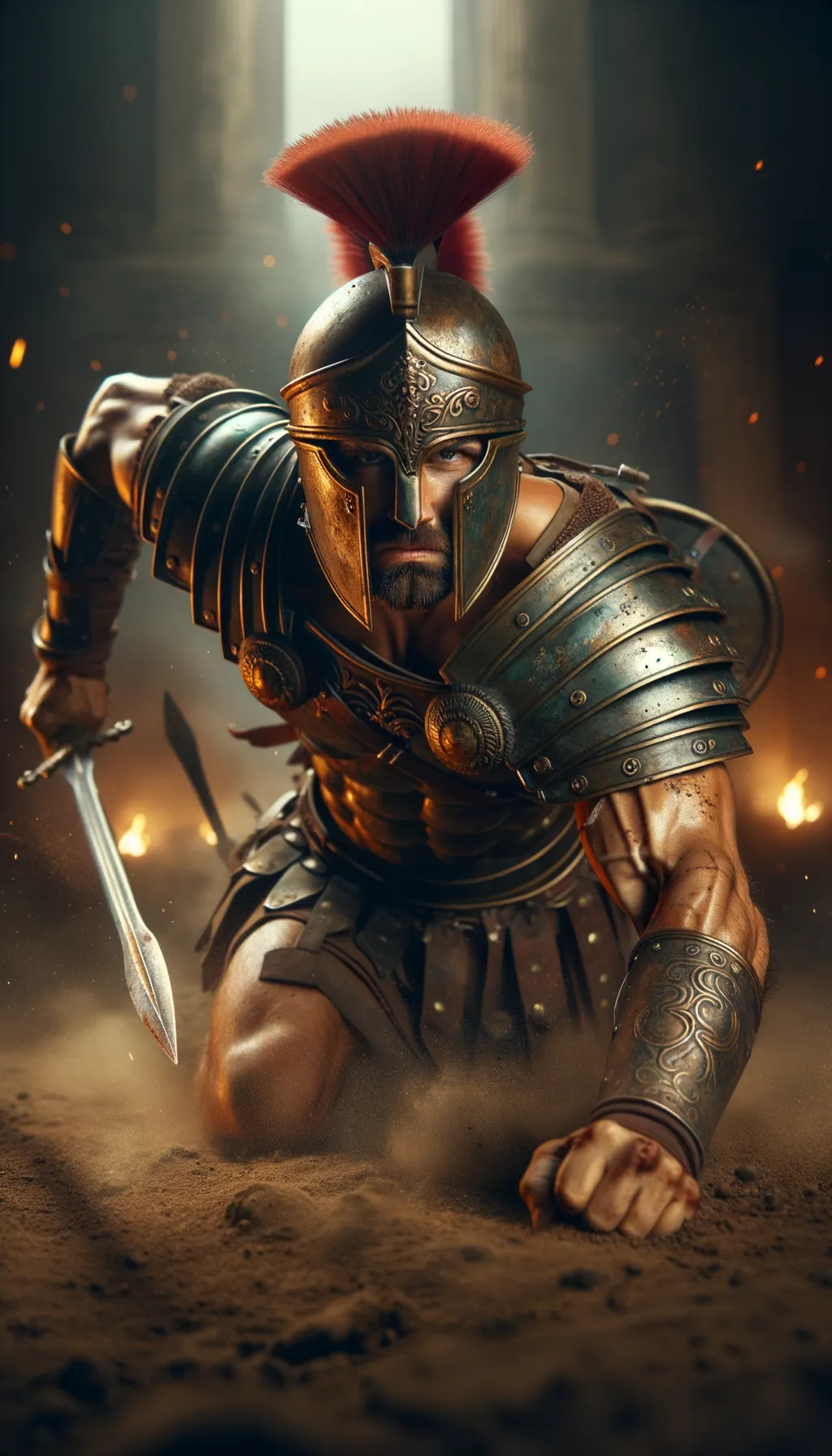
Ixion is a figure in Greek mythology known chiefly for his defiance of the gods and for being the father of the centaurs. His name is synonymous with betrayal, impiety, and punishment. In the tales, he is portrayed as an individual of great boldness and disobedience to divine laws.
Despite being a dark and tragic figure, he is essential. His story provides a deep perspective on the connection between gods and humans in ancient Greek thought. Moreover, his punishment shows us how acts of impiety were considered deserving of exemplary punishments.
Finally, the myth of Ixion shows us the Greeks’ attitude toward justice and revenge. Through him, one can learn lessons about the importance of respect and humility.
Origin and Lineage of Ixion: Son of Ares
According to some versions of Greek mythology, Ixion was the son of Ares, the god of war, and Perimele, a nymph. However, other accounts hold that he was the son of Phlegyas, king of the Lapiths, a mythical tribe of Thessaly. Regardless of his lineage, he became king of the Lapiths and was known for his boldness and lack of reverence toward the gods.
Ixion’s lineage, whether Ares or Phlegyas, plays an important role in his story. As the son of a god or a monarch, he was expected to honor divine laws. However, his actions proved otherwise, which led to his downfall.
The fact that Ixion is a descendant of Ares is also reflected in his warlike and bold nature. Ares is known for his wild and violent behavior, traits his son also possessed.
A Forbidden Love: Ixion and Deianira
The love story between Ixion and Deianira is one of the best known in Greek mythology. Deianira was the wife of Heracles, one of Greece’s greatest heroes. Ixion, however, fell in love with her and tried to seduce her, thus defying the gods and breaking the laws of marriage.
Deianira, however, rejected his advances and told her husband about Ixion’s attempt. Heracles, enraged, decided to punish Ixion and sentenced him to death. However, Zeus, king of the gods, intervened and decided to give him a second chance.
The story of Ixion and Deianira serves as a harsh reminder of the consequences of defying divine and human laws. Ixion’s impiety and his uncontrollable desire led to his downfall and his eternal punishment.
His Defiance of the Gods of Olympus
Ixion, son of Phlegyas and king of the Lapiths, became infamous for defying the gods of Olympus. According to mythology, he murdered his father-in-law to avoid paying the marriage dowry, an act that deeply offended the gods. However, because of his status as king, no one dared punish him, so Ixion lived with the impunity of his crime.
Zeus, king of the gods, decided to test Ixion’s piety and invited him to Olympus, forgiving him for his sin. However, instead of showing gratitude and respect, he committed the sacrilege of attempting to seduce Hera, Zeus’s wife. This act of defiance was the last straw for the gods’ patience.
The Wrath of Zeus: Ixion and Impiety
Upon learning of Ixion’s attempt to seduce Hera, Zeus was filled with fury. He decided to punish Ixion in a way that would serve as an example to all who dared defy the gods. To confirm his suspicions, Zeus created a cloud in the shape of Hera, which Ixion, deceived, tried to seduce.
Ixion’s contempt for divine laws and his lack of respect toward the gods were considered extreme impiety. Zeus, in his wrath, decided that Ixion’s punishment should be exemplary and eternal. His disrespect and continued defiance of the gods sealed Ixion’s fate.
The Eternal Punishment: Ixion on the Burning Wheel
Zeus’s punishment for Ixion was severe and eternal. He was condemned to be bound to a wheel of fire, which would spin endlessly in Tartarus, the Greek underworld. This cruel punishment reflected the wrath of the gods and served as a constant reminder of the consequences of defying them.
Ixion’s burning wheel is one of the most powerful symbols of Greek mythology, representing the unchanging wrath of the gods and the inevitability of divine punishment. Each turn of the wheel was a reminder of Ixion’s sin and his eternal penance.
Nemesis, the Goddess of Vengeance, and Ixion
Nemesis, the goddess of vengeance, also played an important role in Ixion’s story. It was she who enforced Zeus’s punishment, ensuring that he would spin eternally on the burning wheel. The relentless Nemesis represented divine justice, and her role in Ixion’s story underscores the severity of the gods’ punishment for those who dare defy them.
The Cloud Nephele: The Origin of the Centaurs
Ixion is also famous for being the progenitor of the centaurs, mythological beings half human, half horse. According to legend, he coupled with the cloud Nephele, the copy of Hera created by Zeus, and from that union the centaurs were born. This story further underscores the profanation, as it produced a race of wild, hybrid beings.
The Relevance of the Myth of Ixion in Greek Culture
The myth of Ixion holds great relevance in Greek culture. His story serves as a warning against impiety and defiance of the gods, and shows the terrible consequences of such actions. It is an example of divine punishment and the inescapable justice of the gods, and his story has influenced many other narratives and legends of Greek mythology.
Depictions in Painting and Sculpture
Throughout history, his figure has appeared in numerous artistic works. In painting and sculpture, he is often depicted bound to the burning wheel, a symbol of his eternal punishment. These depictions often show torment and suffering, underscoring the severity of his punishment.
Modern Interpretations of the Myth
In the modern era, the myth of Ixion remains a source of inspiration for artists and writers. Some interpret it as a warning against arrogance and excess, while others see it as an example of the cruelty and vengeance of the gods. Regardless of interpretation, Ixion’s narrative continues to be a powerful tale addressing issues of justice, punishment, and transgression.
Lessons from Mythology for Contemporary Life
The myth of Ixion can offer valuable lessons for contemporary life. His story teaches us about the consequences of defying authority, the importance of respect, and the danger of impunity. Through his eternal punishment, he warns us of the dangers of arrogance and excess, and reminds us of the need for humility and reverence.
In short, he is a fascinating figure in Greek mythology. His story is a captivating narrative of resistance to the gods, greed, and perpetual punishment. Although his fate was tragic, he offers us important lessons about justice, respect, and humility. Despite the centuries that separate us from ancient Greece, the lessons of this ancient legend remain relevant to our lives today.

Subscribe
If you want to receive in your mailbox stories, curiosities and legends of the most fascinating creatures of classical mythology just fill in this form.
Continue reading
If you liked this article, you like mythology. And in this case, we have much more to offer you. Discover new adventures, heroes, nymphs, gods, battles, teachings… Just click on the button.

TV Series About Greek Gods and Heroes
Greek mythology has been an endless source of inspiration for film and television. Over the decades, numerous series -both animated and live-action- have recreated the exploits of Olympian gods and legendary heroes, adapting them for different audiences. In this...

Love Stories Between Gods and Mortals in Greek Mythology
Greek mythology has left us many love stories between immortal gods and mortal humans, romances that fascinated the ancients and still captivate us today. These divine-mortal relationships are charged with passion, conflict, and symbolic lessons. They sometimes...
Divine punishments in Greek mythology for defying the gods
Greek mythology is populated with cautionary tales about punishments for defying the gods in Greek mythology. These myths illustrate how hubris—human arrogance or audacity before the divine—was severely punished by the Olympian gods. Through stories of exemplary...

The Mythical Hippocrene Spring
Greek mythology is full of stories in which the divine and the natural intertwine in ways that continue to amaze entire generations. Some of these stories tell of sacred mountains, celestial creatures, or springs that not only quench thirst but awaken dormant talents....
Short Greek Myths for Children
Short Greek myths for children are an excellent way to introduce little ones to this wonderful world full of gods, heroes, and fantastic creatures. These stories not only entertain, but also convey values and lessons and spark curiosity about ancient culture. In this...
Ino, the Goddess of the Sea
Immersed in the rich tapestry of Greek mythology, we find Ino, a mysterious figure who represents both human tragedy and the divinity of the sea. This complex and intriguing figure plays a fundamental role in numerous ancient legends and myths, and remains relevant in...

The Myth of Chrysippus
Greek mythology is a rich tapestry of heroes, gods, and monsters that have fascinated humanity for thousands of years. However, some characters who, though less well known, play a crucial role in these ancient stories are often overlooked. One such character is...

Erebus, the God of Shadow
Erebus, a mysterious and enigmatic figure in Greek mythology, has fascinated historians, archaeologists, and mythology enthusiasts for centuries. His role in the Greek cosmos, his relationship with other gods and goddesses, and his lasting influence on contemporary...
Phobos, the God of Fear
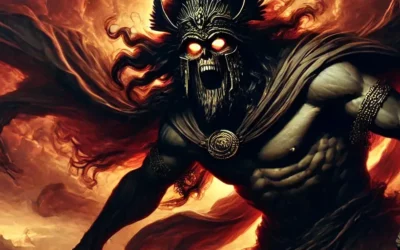
In the vast annals of Greek mythology, where gods and goddesses, heroes, and monsters intertwine in a dance of legends and myths, we find Phobos, a peculiar and often overlooked figure. Less well known than Zeus or Hercules, Phobos nevertheless offers a fascinating...

mitologiaclasica.com is a website dedicated to explore and spread the fascinating richness of mythology, offering a vast compendium of stories, characters and legends.
Explore
Greek Mythology
Roman Mythology
Norse Mythology
Egyptian Mythology
Hindu Mythology
Chinese Mythology
Japanese Mythology
Celtic Mythology
Privacy Policy
Privacy Policy
Copyright mitologiaclasica.com