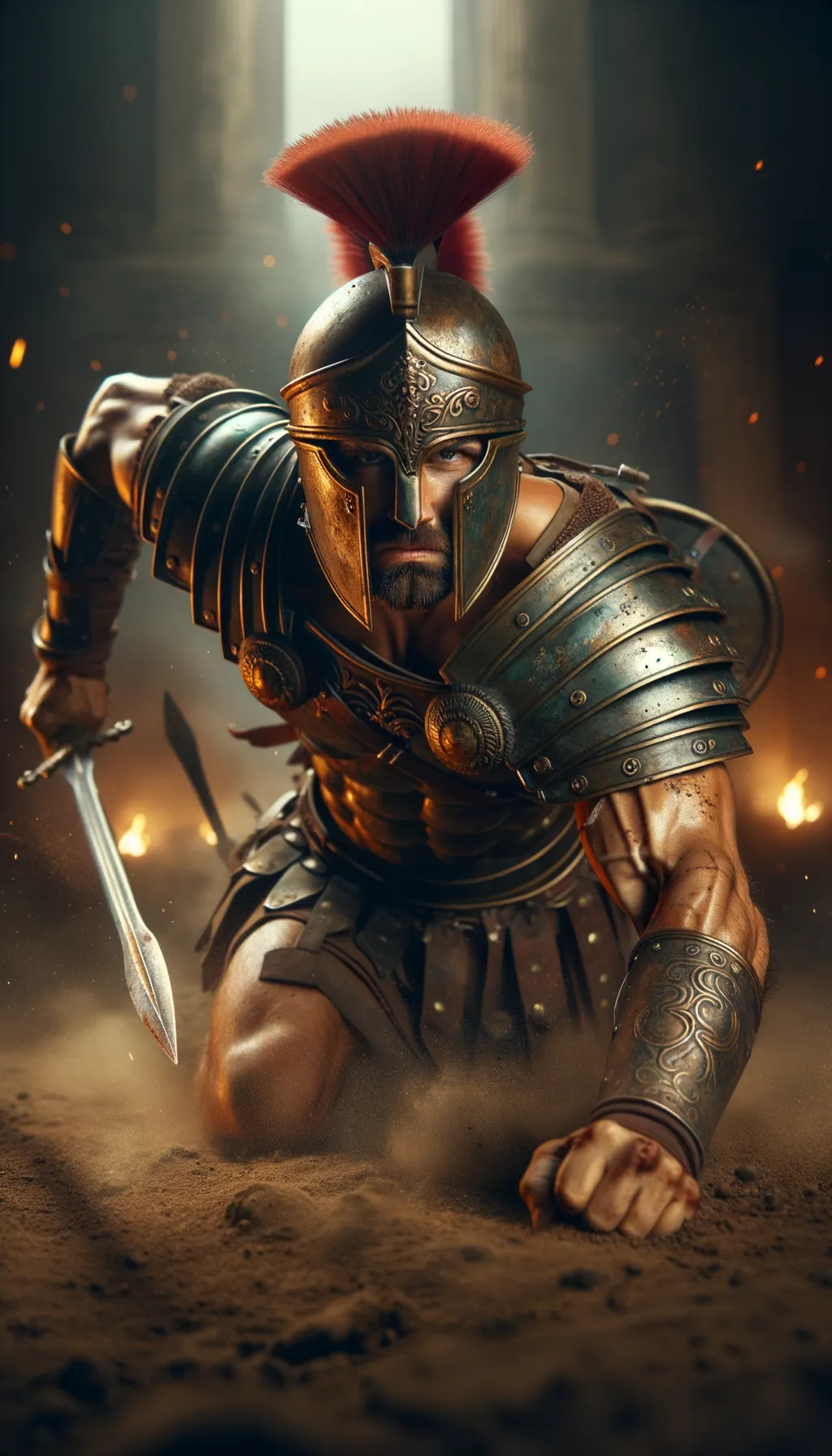
The figure of Clytemnestra in Greek mythology
Clytemnestra is an essential figure in Greek mythology. She is known for being the wife of the powerful King Agamemnon and the devoted mother of four children, who played significant roles in the legends and tragedies of ancient Greece.
Iphigenia, Electra, Chryseis, and Orestes are characters from Greek mythology who appear in various literary and artistic works throughout history. Each of them has a fascinating story full of tragedy, love, betrayal, and redemption. After the tragic death of her first husband, Tantalus, Clytemnestra found solace in the arms of Agamemnon, who took her as his lawful wife, beginning a period of her life marked by turmoil and intrigue.
The story of Clytemnestra is the detailed chronicle of a woman who fights against the patriarchal structures of her environment, facing with determination the search for retribution and equality within the limits of her own home.
Clytemnestra’s early years: her marriage to Agamemnon
When Agamemnon became king of Mycenae, he married Clytemnestra, who was previously married to Tantalus, son of Thyestes. This union was, from the beginning, marked by tragedy and conflict. Agamemnon, like many of the Greek heroes, was destined to spend years away from home, leaving Clytemnestra alone in the palace. This loneliness and her husband’s lack of attention deeply marked her personality, sowing the seeds of future disobedience and rebellion.
The Sacrifice of Iphigenia
The tragedy reached its peak when Agamemnon sacrificed his daughter Iphigenia to appease the goddess Artemis and ensure favorable winds for his fleet in the Trojan War. This heartbreaking act marked a turning point in her relationship with Clytemnestra, awakening in her a desire for revenge. This sacrifice, and Agamemnon’s subsequent refusal to take responsibility for his actions, turned our protagonist into a figure of pain and fury.
An illicit love forged in revenge
During Agamemnon’s absence, Clytemnestra fell under the influence of Aegisthus, the king’s cousin with whom she had a family feud. Aegisthus seduced her, and together they plotted revenge against Agamemnon. This illicit affair offered more than mere betrayal; it represented a rebellion against the norms and expectations of Greek society and an attempt by Clytemnestra to take control of her own destiny.
Who killed Agamemnon?
When Agamemnon returned from the Trojan War, Clytemnestra, along with Aegisthus, murdered him. This act of betrayal was the culmination of years of Agamemnon’s neglect and cruelty, and the sacrifice of Iphigenia was the final straw. The murder is, therefore, an act of revenge, but also an attempt at liberation and emancipation from oppression.
Aeschylus’s tragedy “Agamemnon”
In Aeschylus’ tragedy “Agamemnon,” Clytemnestra is a strong woman, willing to do whatever is necessary to avenge her daughter’s death. Her character is complex and multidimensional, and moves away from the stereotype of a submissive and obedient woman. The decision to murder her husband, although questionable from a moral perspective, demonstrates her bravery and determination.
His role in the works of Sophocles and Euripides
In the plays of Sophocles and Euripides, Clytemnestra appears differently. In Sophocles’ “Electra,” she is a woman tormented by guilt and remorse, while in Euripides’ “Iphigenia in Aulis,” her grief over the loss of her daughter is palpable. These portrayals highlight Clytemnestra’s humanity and her internal struggle with her own actions.
Comparison of two vengeful women from Greek mythology: Clytemnestra vs. Medea
Medea and Clytemnestra are two prominent figures in Greek mythology, both famous for their acts of revenge. While Clytemnestra murdered her husband for sacrificing their daughter, Medea murdered her own children to avenge her unfaithful husband. Both women defied the social norms of their time and rebelled against the injustice done to them. However, Clytemnestra’s revenge was driven by anger and a need for justice, while Medea’s stemmed from jealousy and rage.
Implications of feminism in the figure of Clytemnestra
From a feminist perspective, Clytemnestra is interpreted as a woman who defied the patriarchal structures of her time. Her decision to take revenge on her own and her challenge to her husband’s authority make her a symbol of resistance and female empowerment. Although her actions may be questionable, her courage and determination are undeniable.
The death of Clytemnestra: the return of Orestes and the final revenge
The story of Clytemnestra culminates in her own death at the hands of her son Orestes, who returns from exile to avenge his father’s murder. This final act of vengeance closes the circle of tragedy and violence that has surrounded Clytemnestra throughout her life. Although her death is tragic, it also reflects the inevitable consequences of her actions.
Clytemnestra’s influence on later literature and art
The fascinating story of Clytemnestra, the queen of Mycenae whose tragic fate has captured the imagination of writers, poets, and artists throughout the centuries, has left an indelible mark on literature and art. From ancient and poignant Greek tragedies to more recent and provocative feminist interpretations, Clytemnestra has exerted a profound influence on the creativity of countless artists throughout history.
His enigmatic and multifaceted personality has been the subject of profound analysis and heated debates, and his legacy continues to leave an indelible mark on contemporary culture.
Final reflections on Clytemnestra and Greek tragedy
Without a doubt, Clytemnestra is a figure from Greek mythology who defies the expectations and conventions of her time. Her story, filled with love, betrayal, revenge, and tragedy, serves as a reminder of the struggles and sacrifices women face in patriarchal societies. Through her actions and choices, she teaches us important lessons about resilience, justice, and the power of maternal love.
In conclusion, Clytemnestra is a fascinating and complex figure in Greek mythology whose legacy has endured through the centuries. Her story confronts us with profound questions about justice, revenge, love, and sacrifice. Despite her tragic end, Clytemnestra remains a figure of great relevance and resonance. She is a tragic heroine who defied the conventions of her time and fought for her own justice.

Subscribe
If you want to receive in your mailbox stories, curiosities and legends of the most fascinating creatures of classical mythology just fill in this form.
Continue reading
If you liked this article, you like mythology. And in this case, we have much more to offer you. Discover new adventures, heroes, nymphs, gods, battles, teachings… Just click on the button.
Deimos, the God of Terror
If we venture into the fascinating universe of Greek mythology, we find Deimos, one of the least explored deities but with undeniable relevance. Deimos, whose name means "dread," is an enigmatic god linked to the darkest and most frightening aspects of human...

Tiresias, the Blind Prophet
One of the most intriguing and multifaceted characters in Greek mythology is Tiresias, the blind prophet of Thebes. This seer, who spent seven years as a woman before becoming a man again, plays a fundamental role in several literary works, including tragedies by...
The Sacrifice of Iphigenia
Greek mythology is full of heroes, gods, and complex characters, each with their own stories and lessons. One of these figures, perhaps somewhat less well known, is Iphigenia, the unfortunate daughter of Agamemnon and Clytemnestra. Although her story is tragic, her...
Erysichthon, Insatiable Hunger
The ancient stories of Greek mythology have fascinated humanity for thousands of years. Their narratives, full of gods, heroes, mythical creatures, and moral lessons, have influenced many cultures and remain relevant to this day. In this article, we will focus on one...
The Myth of Philomela and Procne
Today we discuss the myth of Philomela and Procne. It is a tragic and moving story from ancient Greek mythology, notable both for the rawness of its details and for its powerful symbolism. It is the story of two sisters, bound by unbreakable ties of loyalty and love,...

Leda and the Swan
Greek mythology is full of astonishing stories that have left an indelible mark on culture and art over the centuries. One of the most intriguing and controversial tales is that of "Leda and the Swan." The story of the seduction of the mortal Leda by the god Zeus...
Who Was the Goddess Atalanta?
Atalanta, an iconic figure in Greek mythology, is famous for her tireless speed and sharp wit. In a world dominated by men, she emerged as a heroine, defying conventional norms and forging her own path. In every tale about her life, her resilience and her ability to...

What Is the Story of Pygmalion and Galatea?
The names Pygmalion and Galatea resonate in the collective imagination. They are two figures who have inspired poets, writers, and artists throughout the centuries. The love story between the sculptor and his creation is one of the most moving and fascinating in Greek...

Nereus, the Old God of the Sea
Greek mythology is a vast mosaic of gods, heroes, and legendary entities, each with its own narrative and singular character. One of these gods is Nereus, an ancient sea deity who, although less well known than Poseidon, plays an important role in the Greek pantheon....

mitologiaclasica.com is a website dedicated to explore and spread the fascinating richness of mythology, offering a vast compendium of stories, characters and legends.
Explore
Greek Mythology
Roman Mythology
Norse Mythology
Egyptian Mythology
Hindu Mythology
Chinese Mythology
Japanese Mythology
Celtic Mythology
Privacy Policy
Privacy Policy
Copyright mitologiaclasica.com