In the vast and diverse annals of Hindu mythology, the figure of Indra holds a prominent place. This mighty god, known as the king of the gods and lord of the heavens, is a central pillar of the ancient religious scriptures of the Indian subcontinent, and his story and attributes have greatly influenced Hindu culture and spirituality. This article explores his figure, from his role and representations to his relevance in the modern world.
Indra, King of the Gods in Hindu Mythology
Hindu mythology is a vast universe of deities, stories and traditions that have evolved over many centuries in the Indian subcontinent. One of the oldest and most prominent gods within this universe is Indra, known as the king of the gods and lord of the heavens. As one of the most important deities in the Vedas, the oldest religious texts of Hinduism, Indra plays an integral role in Hindu beliefs and practices.
Lord of the Heavens and God of War
In Hindu mythology, Indra is known as the king of the gods and lord of the heavens. He is the god of war, storms and rain, and he is credited with the ability to control the elements and to maintain order in the universe.
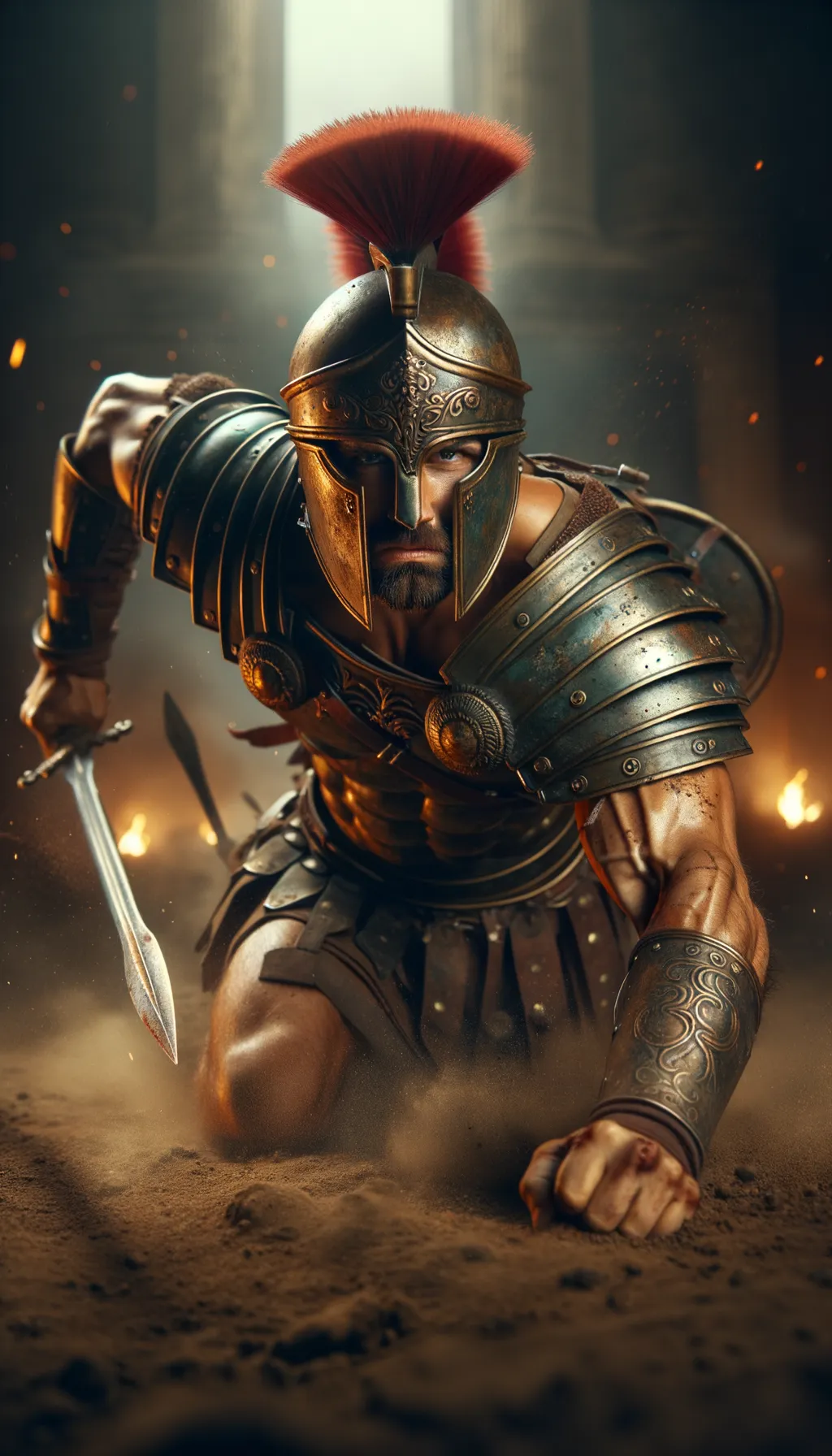
Indra is known for his many attributes and powers, which include the ability to control the weather, to lead the gods in battle and to ensure fertility and prosperity. He is depicted as a mighty warrior, mounted on a white elephant and armed with a thunderbolt. In many representations he is also shown accompanied by the Maruts, the gods of the storms, and by his wife Shachi, the goddess of fury.
Myths and Legends: The Deeds of Indra
The lord of the heavens is the protagonist of numerous myths and legends within Hindu mythology. Many of these stories revolve around his conflicts with demons and his role as defender of the universe. One of the most famous tales is his battle against Vritra, a serpent-demon who had seized all the waters of the world. Indra, wielding his mighty thunderbolt, defeated Vritra and released the waters, thus ensuring the prosperity and fertility of the Earth.
Indra’s Role in the Vedas
Indra occupies a central place in the Vedas, the oldest religious texts of Hinduism. In these texts he is portrayed as a heroic and valiant leader who protects gods and humans from the forces of chaos and destruction. The Vedas also attribute the creation of the universe to Indra, and many of their hymns and rituals are dedicated to him.
The Other Gods of the Hindu Pantheon
Although Indra is the king of the gods, he is not alone in the Hindu pantheon. He shares his status with other important gods such as Vishnu, Shiva and Brahma, each of whom has their own set of attributes and responsibilities. However, despite the presence of these other deities, Indra maintains a place of prominence and respect owing to his antiquity and his central role in the Vedas.
Indra and Hindu Religious Rituals
The king of the gods plays an important role in many Hindu rituals and religious practices. The hymns and prayers dedicated to Indra are an integral part of various rituals, and it is believed that invoking him can bring rain, fertility and prosperity. In addition, the Indra Jatra festival, celebrated in Nepal, is one of the most important religious events in honour of this god.
The Decline of Indra’s Status in Modern Hinduism
Despite his prominence in the Vedas and in Hindu mythology, Indra’s status has declined in modern Hinduism. This is due in part to the growing prominence of gods such as Vishnu and Shiva, as well as to changes in religious beliefs and practices. Nevertheless, he is still respected and venerated in many parts of the Indian subcontinent.
Philosophical and Spiritual Interpretations
Interpretations of the figure of Indra have evolved over time, and today he is seen not only as a literal deity but also as a symbol of power, authority and control over nature. Some philosophers and spiritual scholars see Indra as a representation of the human ego and its desire to dominate and control the world.
Literature and Popular Culture
Despite his role, which is sometimes secondary, the king of the heavens has a great influence on the literature and popular culture of the Indian subcontinent. He appears in numerous literary works, from ancient epic texts such as the Mahabharata and the Ramayana to modern novels and comics. In addition, Indra is a common character in Hindu films and television programmes, where he is often portrayed as a powerful and benevolent king.
Comparison of Indra with Deities from Other Cultures
There are interesting parallels between Indra and the deities of other cultures. For example, the figure of Zeus in Greek mythology bears many similarities to Indra, since both are kings of the gods and have control over natural elements. Likewise, in Norse mythology, Thor, the god of thunder, also shares several attributes with Indra.
Despite changes in religious beliefs and practices, the figure of Indra remains relevant in the modern world. His influence can be seen in the culture, literature and spirituality of the Indian subcontinent, and his story and attributes continue to inspire people all over the world. Beyond his role as a god, Indra symbolises power, courage and resilience in the face of adversity. These values remain very important today.
A Central Figure of Hindu Mythology
In conclusion, Indra, with his rich history and mighty attributes, is a central figure in Hindu mythology. Although his status may have diminished in modern Hinduism, his influence endures in the culture and spirituality of the Indian subcontinent. By understanding Indra, we gain a greater appreciation of the complexity and richness of Hindu mythology. And the same holds for the ways in which ancient beliefs and traditions can remain relevant in the modern world.

Subscribe
If you would like to receive stories, curiosities and legends about the most fascinating creatures of classical mythology in your inbox, just fill in this form.
Keep reading
If you enjoyed this article, you love mythology. And in that case, we have a lot more to offer you. Discover new adventures, heroes, nymphs, gods, battles, teachings… Just click the button.

Karma and Reincarnation in Hindu Mythology
Karma and reincarnation are two fundamental concepts of the Hindu worldview, intimately intertwined in its mythological, philosophical, and spiritual beliefs. These ideas explain the fate of the soul across multiple lives and promote a moral understanding of the...

The Epic of the Mahabharata: A Mythological Gem of India
What Is the Mahabharata? When we speak of humanity's great epics, the Mahabharata holds a special place. Not only because of its colossal size —it is longer than The Iliad and The Odyssey combined— but because of the richness of its content, which interweaves history,...

What Are the 18 Puranas?
Today we discuss the Puranas, a vast collection of ancient texts from India that are a cornerstone of Hindu mythology. This sacred archive of stories and legends has guided the religious practices, cultural customs, and philosophical understanding of millions of...

Ananta Shesha, the Cosmic Serpent
Ananta Shesha: the titanic cosmic serpent of Hindu mythology

Varuna, the God of the Oceans and Justice
In the vast and rich pantheon of Hindu mythology, Varuna stands out as one of the most complex and fascinating figures. Due to his role as god of water and guardian of moral law, he plays a central function in Hindu cosmology and shows an intriguing evolution...
Surya, the god of the sun
Hindu mythology, rich and colorful, is an intricate tapestry of deities, stories, and symbolism woven together to form a fabric of faith and philosophy. Among these, the solar god Surya holds a place of distinction. This article will explore his role, his presence in...
Agni, the god of fire
In ancient Eastern traditions, few gods hold an importance comparable to that of Agni, a central figure in Hindu mythology. As the god of fire, he has played a crucial role in the religion, culture, and daily life of Hindus for thousands of years. In this exploration,...
Yama, the God of Death
The Hindu mythology is vast, rich and deeply rooted in the daily life of millions of people around the world. Within its intricate labyrinth of gods, deities and spiritual beings, each figure has a unique and meaningful role. One of the most fascinating and at the...
Trimurti: The sacred trinity of Hindu mythology
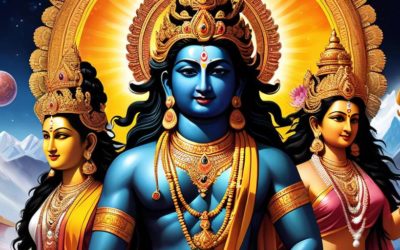
Trimurti is the supreme trinity of Hindu mythology, consisting of Brahma, Vishnu and Shiva. These gods represent the creation, preservation and destruction of the universe. Shiva, known as the destroyer and reborn god, occupies a fundamental role in Hinduism. On the...

mitologiaclasica.com is a website dedicated to exploring and sharing the fascinating richness of mythology, offering a vast compendium of stories, characters and legends.
Explore
Greek Mythology
Roman Mythology
Norse Mythology
Egyptian Mythology
Hindu Mythology
Chinese Mythology
Japanese Mythology
Celtic Mythology
Privacy Policy
Privacy Policy
Copyright mitologiaclasica.com