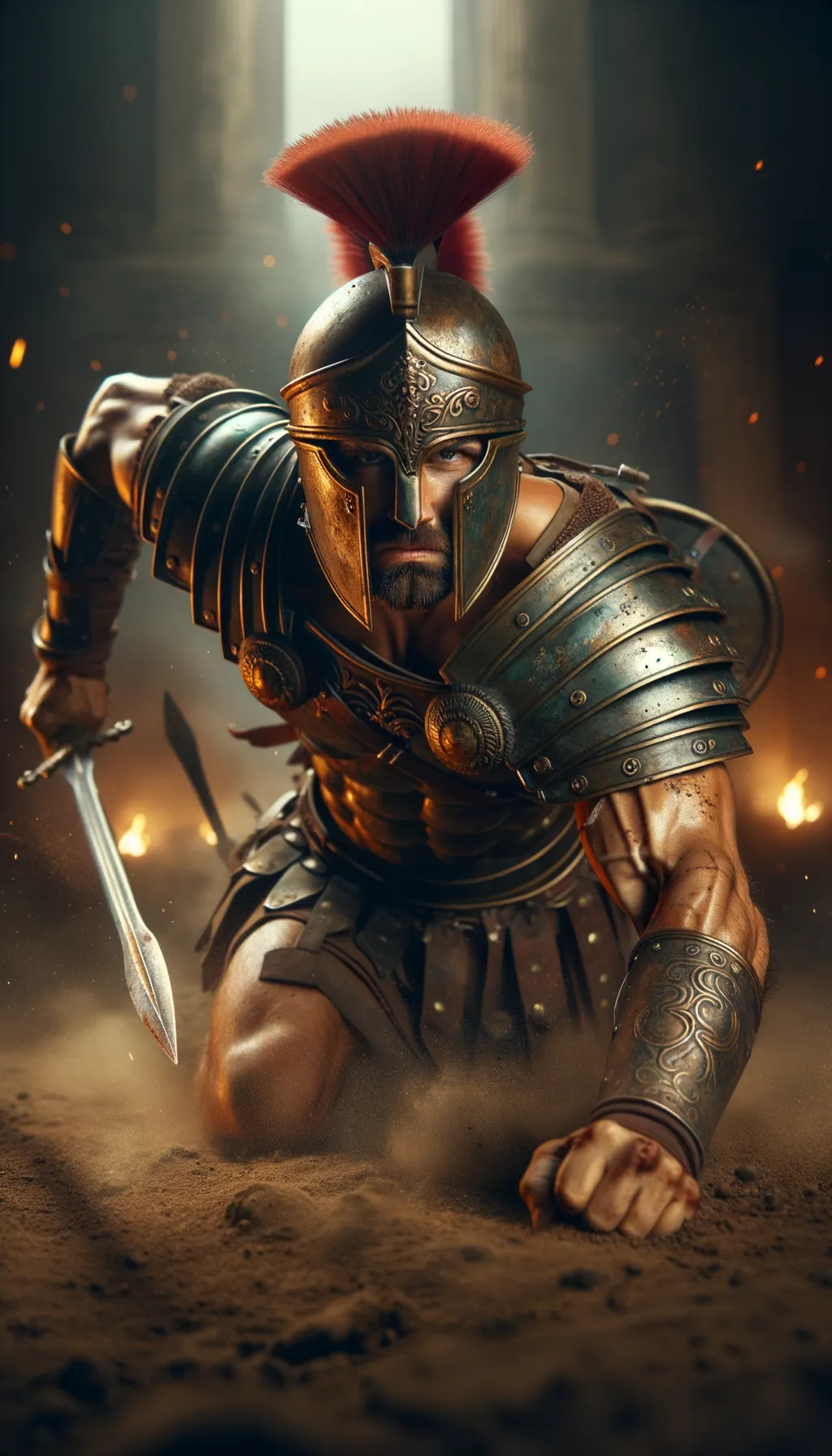
In our daily lives, we often use a number of expressions whose origin traces back to ancient mythologies. These “mythological expressions” are phrases or words that originated in various mythological cultures and have endured in language and popular culture to this day. In this article, we will explore the richness and diversity of these expressions of mythological origin and how they have influenced speech, literature, art, psychology, and modern culture.
Expressions of Mythological Origin
Expressions of mythological origin are a fascinating way in which ancient myths and legends have influenced our current culture and language. These expressions can be words, phrases, or even names that originated in the mythology of various cultures around the world. Often, these expressions carry rich stories and symbolism dating back thousands of years.
Generally, these mythological expressions are used in a context that has little or nothing to do with their original meaning, which often leads to their origins being lost. However, their presence in our language and culture demonstrates the enduring influence of ancient mythologies.
Their use is so common that speakers are often unaware of their mythological origin. Phrases like “the Achilles’ heel of Achilles” or “Cupid’s dart” from Cupid are everyday expressions that originated in Greek and Roman mythology.
Origin of Mythological Expressions
Mythological expressions originated in the ancient mythologies of various cultures, such as the Greek, Roman, and Norse. These myths and legends were part of the daily life of these cultures and formed the basis of their understanding of the world and natural phenomena.
These expressions were passed down from generation to generation through oral tradition and, over time, were incorporated into written language and culture. As these cultures interacted and influenced one another throughout history, these expressions spread and adapted to new languages and cultures.
In many cases, the myths that gave rise to these expressions reflected the beliefs and values of the society in which they originated. As a result, these expressions often carry deep meanings and symbolism.
Mythological Expressions from Greek and Roman Mythology
Greek mythology is one of the most influential on our current language and culture. Many of the words and phrases we use today originated there. These expressions illustrate how the Greek world has influenced our language and the way we understand and describe the world.
Roman mythology, despite being heavily influenced by the Greek, has also contributed to our current language and culture. Many present-day expressions come from Roman myths and legends.
For example, “to take the bull by the horns” comes from the myth of Crete and the Minotaur, the bull that was half man and half bull. This expression is used to describe a situation in which a person confronts a difficult problem or challenge head-on.
Another common expression is “lone wolf,” which originated in the story of Romulus and Remus, the founders of Rome, who, according to legend, were raised by a she-wolf. This expression is used to describe a person who prefers to be alone and is independent.
Norse Mythology and Its Linguistic Contributions
Norse mythology, which was the religion and beliefs of the ancient Scandinavians, has also influenced our language and culture. Although these influences may be less obvious than those of Greek and Roman mythology, they can still be found in our everyday language.
For example, the days of the week in English are named after the Norse gods. Tuesday is Tyr’s day, Wednesday is Woden’s or Odin’s day, Thursday is Thor’s day, and Friday is Freya’s day.
In addition, words like “berserk,” which refers to irrationally violent or aggressive behavior, originated with the “berserkers,” Norse warriors believed to be able to enter an uncontrollable battle fury.
More Mythological Expressions in the World of Art and Literature
Mythological expressions have also had a great influence on the world of art and literature. Many works of art and literature use these expressions to convey certain themes or ideas.
For example, in literature, writers often use mythological expressions to symbolize certain aspects of the human condition. In Joseph Conrad’s “Heart of Darkness,” for example, the reference to Charon, the ferryman of the underworld in Greek mythology, is used to symbolize death and the passage to the other world.
In art, mythological expressions are often used in iconography to convey certain meanings or themes. For example, in Renaissance painting, the image of Cupid shooting an arrow is often used to symbolize romantic love.
These examples show how mythological expressions have influenced art and literature, providing a rich source of symbolism and metaphor.
Use and Meaning of Mythological Expressions in Today’s Language
In our current language, mythological expressions are often used in a context that has little or nothing to do with their original mythological meaning. However, these uses often retain some of the original symbolism and meaning of the expression.
For example, when we say someone is “an Apollo”, we mean they are very attractive, in reference to the Greek god, who was the god of beauty. Or when we say someone has their “head in the clouds,” we mean they are distracted or daydreaming, a reference to the deities who lived in the sky in many mythologies.
These examples show how mythological expressions have retained their symbolism and meaning, even when used in completely different contexts.
Expressions of Mythological Origin in Advertising and Marketing
Mythological expressions are powerful tools in advertising and marketing. Their use allows an emotional bond to be created with consumers, by associating products and services with epic tales and heroic characters. Product names, slogans, and advertising campaigns often make use of mythological metaphors and symbols to highlight a product’s qualities.
For example, the car brand Maserati uses the trident of Poseidon, the Greek sea god, in its logo to represent power and luxury. Likewise, Nike, the Greek goddess of victory, lends her name to one of the most recognized sportswear and footwear brands.
Mythological expressions can also be used to convey a specific message. The myth of the Phoenix, the bird that is reborn from its ashes, is often used in advertising to symbolize renewal and overcoming difficulties.
Popular Culture and Mythological Expressions
References to heroes, gods, and mythical creatures frequently appear in films, television series, books, and video games. Many of these modern tales are based on or inspired by ancient myths, demonstrating the persistence of these expressions over time.
These mythological expressions are also found in everyday language. Phrases like “opening Pandora’s box” are used to describe common situations, and their mythological origin is often forgotten. These examples show how mythological expressions have become an intrinsic part of our culture and language.
In addition, numerous festivals and celebrations are based on myths and legends. Halloween, for example, has its roots in the ancient Celtic festival of Samhain, which marked the end of the harvest and the beginning of winter.
Impact of Mythological Expressions on Psychology
Modern psychology has recognized the crucial role of mythological expressions in understanding human behavior. Psychologist Carl Jung, for example, argued that myths and legends represent universal archetypes that reflect fundamental aspects of the human psyche.
These archetypes, according to Jung, are images and symbols that exist in humanity’s collective unconscious. Mythological expressions, therefore, can be used to understand and explore these archetypes and, through them, to better understand human psychology.
In addition, mythological expressions can have a therapeutic impact. The use of mythological metaphors and symbols in therapy can help individuals understand and manage their experiences and emotions.
Surprising Origins of Everyday Phrases
Mythology has left a deep mark on our everyday language. Many expressions we use daily have their origin in fascinating stories of gods and heroes. Let’s explore the mythological background of some popular phrases.
Why Is 13 Considered Bad Luck?
In Norse mythology, the number 13 is associated with bad luck due to the story in which Loki, the god of chaos, becomes the thirteenth guest at a dinner in Valhalla. His presence causes the murder of Balder, a beloved god, which triggers a series of tragic events. This narrative has contributed to the superstition surrounding the number 13, spreading its reputation for bringing misfortune.
To Be Turned to Stone
When someone surprises us with shocking news, it’s common to say we were “turned to stone.” This expression evokes the power of Medusa, the Gorgon whose gaze turned anyone who dared look at her directly into stone. Like Medusa’s victims, we momentarily freeze at a strong shock.
The Apple of Discord
In conflict situations, we often speak of “the apple of discord.” This term takes us back to the wedding of Peleus and Thetis, where Eris, the goddess of discord, threw a golden apple inscribed “For the fairest.” This simple act triggered a dispute among goddesses that would eventually lead to the Trojan War.
Being a Narcissist
When we describe someone as a narcissist, we are evoking the story of Narcissus, the young man so in love with his own image that he drowned trying to reach his reflection in a pond. This expression perfectly captures the idea of excessive and self-destructive vanity.

Resting on One’s Laurels
Success can be dangerous if it leads us to “rest on our laurels.” This phrase, which warns against complacency, has its roots in the story of Apollo and Daphne. The laurel, a symbol of victory, reminds us that excessive rest after a triumph can cause us to lose our edge.
Running a Marathon
When we speak of “running a marathon,” we refer not only to a long-distance race, but to any prolonged and exhausting effort. This expression honors the legend of Pheidippides, who ran from Marathon to Athens to announce victory over the Persians.
Living an Odyssey
Describing a complicated experience as “living an odyssey” connects us directly with the adventures of Odysseus on his long journey back to Ithaca. This phrase captures the essence of facing multiple challenges in pursuit of a goal.

Having the Eyes of a Lynx
Praising someone for “having the eyes of a lynx” is recognizing an exceptional power of observation. This expression does not refer to the feline, but to Lynceus, one of the Argonauts, famous for his superhuman vision.
The Achilles’ Heel
We all have our “Achilles’ heel,” a hidden vulnerability amid our strength. This phrase reminds us that even the strongest can have a weak point, like the Greek hero whose only vulnerable spot was his heel.
Being a Chaos
When we say something “is chaos,” we evoke the primordial state of the universe in Greek mythology. Chaos, that original confusion, remains a perfect metaphor for disordered or confusing situations.
Falling Prey to Panic
The “panic” that sometimes overtakes us has its origin in Pan, the god of the forests whose cry terrified those who heard it. When we feel overwhelmed by fear, it’s as if Pan himself had startled us in the forest.
Hope Is the Last Thing to Be Lost
This optimistic phrase has its origin in the myth of Pandora. When she opened the box that contained all the evils of the world, hope remained at the bottom, reminding us that there is always light at the end of the tunnel.

Pandora’s Box
Speaking of “opening Pandora’s box” refers to starting something that may have unpredictable and potentially negative consequences. This expression reminds us that curiosity, though valuable, can sometimes trigger unexpected problems.
The Living Legacy of Mythology
These mythological expressions are not mere linguistic relics; they are living testimonies of how ancient stories continue to resonate in our everyday experience. Every time we use them, we are weaving an invisible thread that connects us with past generations and with the eternal human truths these myths encapsulate.
The next time you use one of these phrases, remember that you are participating in an age-old tradition, keeping alive the wisdom and imagination of our ancestors. Mythology, far from being a set of obsolete stories, remains an inexhaustible source of inspiration and meaning in our language and in our daily lives.
Subscribe
If you want to receive in your mailbox stories, curiosities and legends of the most fascinating creatures of classical mythology just fill in this form.
Continue reading
If you liked this article, you like mythology. And in this case, we have much more to offer you. Discover new adventures, heroes, nymphs, gods, battles, teachings… Just click on the button.
The True Greek Mythology in Percy Jackson: Real Legends vs. Fiction
Rick Riordan's literary saga managed to adapt the pantheon of the Olympian gods to the modern era with resounding success. However, adapting the tales of classical authors like Hesiod, Homer, and Ovid for a young audience required altering key aspects of ancient...
Which Divinity, Hero, or Mythological Character Are You?
From the peaks of Olympus to the depths of the Underworld, through the icy lands of Asgard, ancient mythologies have always used their gods and heroes to represent the different facets of human nature. Cunning, strength, intuition, or ambition: we all harbor the...
Who Is the Strongest Goddess?
In the many mythologies of the world, goddesses have always held a prominent place. They represent various forms of power, from motherhood to war, and are often central figures in the pantheons of the gods. But who is the strongest goddess? This is a complicated...

Did Unicorns Really Exist?
Did unicorns really exist? Since the dawn of time, humans have been fascinated with the idea of mythical and mysterious creatures. Among these, the unicorn holds a special place in our hearts and imagination. But did these magical single-horned beings ever really...

What Role Do Mermaids Play in Different Mythologies?
Mermaids, those beings half human, half fish, are the protagonists of countless legends and myths in various cultures around the world. Their image, sometimes fascinating and seductive, sometimes terrifying and deadly, has captivated humanity's imagination for...

What Is the Difference Between Fable, Myth, and Legend?
The art of storytelling is as old as humanity itself. Since time immemorial, human beings have passed down their beliefs, values, and experiences through various forms of narrative. Among these, myths, legends, and fables occupy a privileged place in the oral and...

What is the most famous myth in the world?
Myths have been one of the most important components of human life since the dawn of civilisation. However, although these stories have helped shape cultures, beliefs and behaviours, they are much more than that. In many ways, myths are a window into the past, giving...

What is meant by classical mythology?
Classical mythology encompasses the legends and myths of ancient Greece and Rome. These stories explain the origin of nature and human moral qualities. The stories of Greek and Roman gods intertwine, influencing today's language and culture. What is a classic myth? A...
mitologiaclasica.com is a website dedicated to explore and spread the fascinating richness of mythology, offering a vast compendium of stories, characters and legends.
Explore
Greek Mythology
Roman Mythology
Norse Mythology
Egyptian Mythology
Hindu Mythology
Chinese Mythology
Japanese Mythology
Celtic Mythology
Privacy Policy
Privacy Policy
Copyright mitologiaclasica.com