The Legend of Pygmalion and Galatea
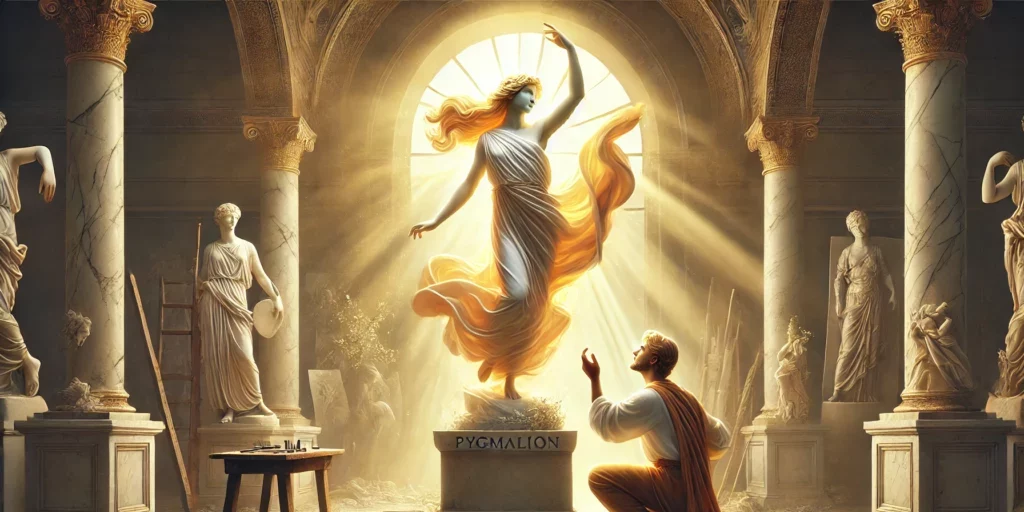
As you may know, the legend of Pygmalion and Galatea is recorded in Ovid’s “Metamorphoses,” one of the most influential literary works of antiquity. The story tells how Pygmalion, a sculptor, creates a statue so beautiful that he falls in love with it. He then invokes the goddess of love, Aphrodite, who brings the statue to life, thus allowing Pygmalion to marry his creation, now named Galatea.
After sculpting the statue, Pygmalion found himself unable to resist its beauty and perfection. He spent long hours admiring it; he even went so far as to dress it and adorn it with jewels. But, of course, the statue could not respond to his feelings. And so, Pygmalion found his greatest desire and his greatest torment in that same marble figure.
Who Was Pygmalion in Greek Mythology?
In Greek mythology, Pygmalion was a king of the island of Cyprus and a famous sculptor. According to legend, he scorned women for their immoral behavior and decided to live alone. However, as an artist, he longed for beauty, so he decided to create the perfect woman through sculpture.
He was said to be extremely talented, capable of imbuing his works with impressive beauty and realism. But despite his success and recognition, he felt alone. So he decided to sculpt a female figure of marble that would represent the perfection he sought.
Pygmalion, the Sculptor Who Fell in Love with His Work
Pygmalion worked tirelessly on his masterpiece, paying attention to every detail, until he finally managed to create a statue so beautiful that even he himself was astonished. It is said that the statue was so lifelike that it seemed on the verge of waking. In love with his creation, Pygmalion named her Galatea, meaning “she who is white as milk.”
Day after day, Pygmalion found himself increasingly in love with Galatea. He dressed her in the finest clothes, offered her gifts, and spoke to her as if she were alive. However, no matter how much he wished for her to love him back, he knew it was impossible, since she was nothing more than a statue.
Galatea: From Stone to Life
But the story does not end there. During a festival in honor of Aphrodite, the goddess of love, Pygmalion made a prayer: he wished for a wife who was “the living image” of his ivory statue. Aphrodite, moved by his sincere wish, decided to grant his request.
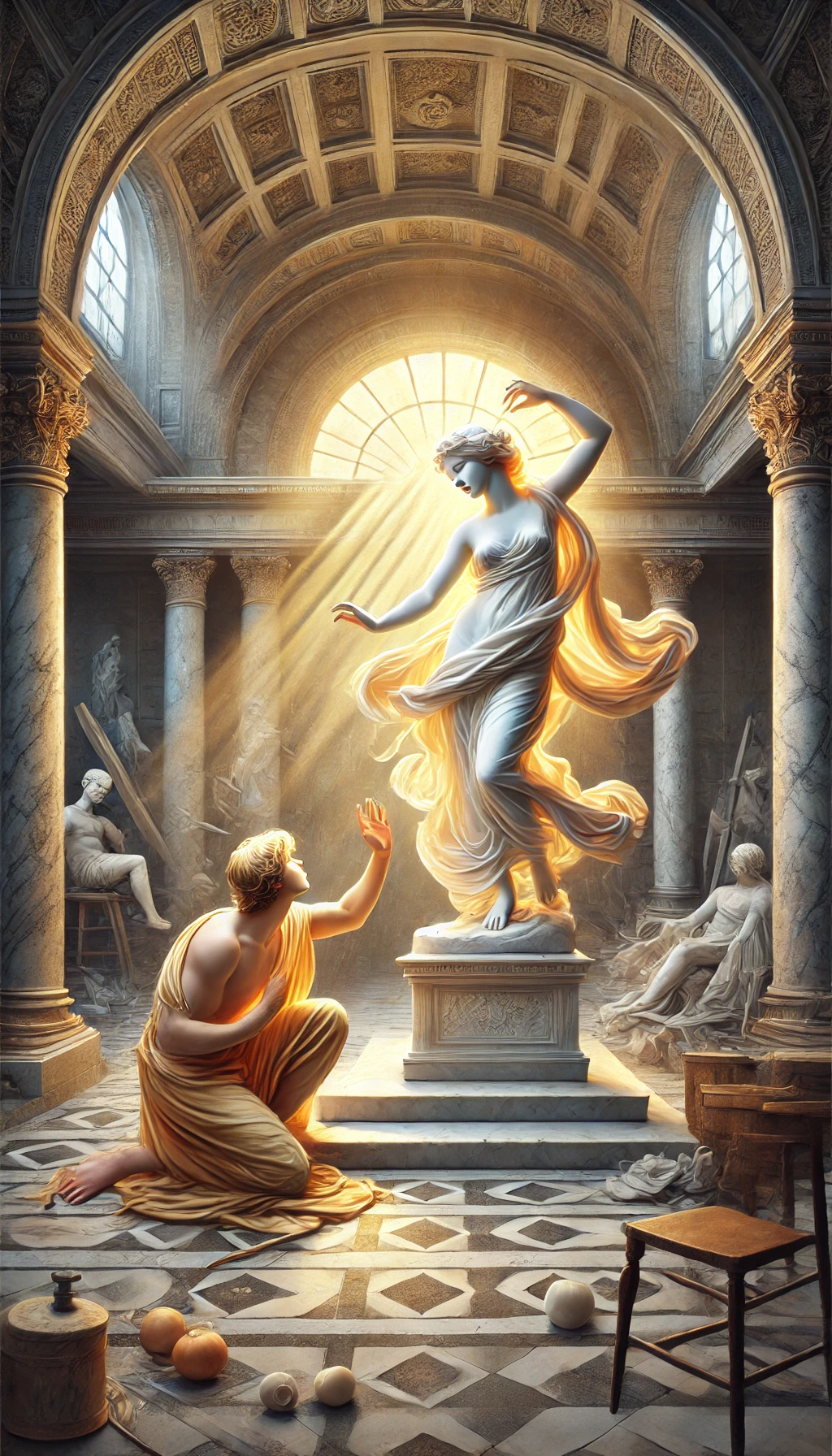
When Pygmalion returned home and kissed the statue as he usually did, he noticed that its lips were no longer cold. The ivory statue then began to soften and grow warm, until it finally came to life. Galatea had ceased to be stone and became a woman of flesh and blood.
Pygmalion’s Desire: Love in a Block of Marble
Pygmalion’s true desire was not simply to have a wife, but to love and be loved. Although Galatea’s beauty was unmatched, what truly captivated Pygmalion was the purity and perfection he had managed to capture in the sculpture. He wished for that ideal to become reality, and his wish was finally granted.
Pygmalion had shaped Galatea according to his ideal of beauty and virtue. But when Galatea came to life, not only was his wish for a wife fulfilled, but also his desire to find true love. He had found in Galatea someone he could love and who, in turn, loved him.
Aphrodite’s Intervention in the Story of Pygmalion and Galatea
Aphrodite, the goddess of love, played a crucial role in the story of Pygmalion and Galatea. Moved by Pygmalion’s love and devotion toward Galatea, she decided to bring the statue to life. But Aphrodite did more than just grant Pygmalion’s wish; she also demonstrated the importance of love and desire in human life.
In antiquity, the Greek gods often intervened in human affairs, whether to punish or to help. In Pygmalion’s case, Aphrodite chose to help him, since his desire was not based on lust, but on true love. Aphrodite’s intervention is a reminder that even in Greek mythology, true love can overcome any obstacle.
Galatea, a Beauty Coming to Life
The moment Galatea comes to life is, without a doubt, one of the most emotional in the story. Her transformation from marble to woman represents the power of love and desire, and the possibility that dreams can come true.
Galatea was a statue, an inanimate object. But Pygmalion’s love transformed her into a human being. It is a demonstration of how love can give life, of how it can breathe a soul into even the most inert matter.
The Fulfillment of Pygmalion’s Dream
Pygmalion’s dream came true when Galatea came to life. After so much longing and yearning, he was finally able to touch, embrace, and kiss the woman he loved. But more than that, he was able to share his life with her.
Pygmalion and Galatea married and had a daughter, whom they named Paphos. In this way, the story also becomes a story of personal fulfillment and the formation of a family.
A Love Born of Fantasy
The story of Pygmalion and Galatea is a love born of fantasy. Pygmalion created Galatea according to his wishes and fantasies, and then fell in love with her. But despite its fantastical origins, his love was real and deep.
It is true that Pygmalion created Galatea, but it was not until she came to life that she truly became a person. And so, rather than being a simple creation, Galatea became Pygmalion’s companion, his equal.
The Influence of the Story of Pygmalion and Galatea on Art
The story of Pygmalion and Galatea has had a great influence on art throughout the centuries. Many artists have found inspiration in this story of love and desire, creating works that explore different aspects of the myth.
Paintings, sculptures, plays, operas, and even films and television series have drawn on the story of Pygmalion and Galatea. This story has proven to be an inexhaustible source of inspiration, as it speaks to universal themes such as love, desire, creation, and transformation.
Reflecting on the Myth of Pygmalion and Galatea
The myth of Pygmalion and Galatea invites us to reflect on the power of love and desire. It shows us how love can transform and give life, and how desire can lead us to create and to dream. But it also reminds us that true love is not based on perfection, but on acceptance and respect for the other.
Moreover, the story raises a question: is it possible to love one’s own creation as if it were another person? In Pygmalion’s case, the answer was a resounding yes. But his story is, after all, a myth. In real life, perhaps the answer is not so simple.
From Imagination to True Love
The story of Pygmalion and Galatea is one of the most beautiful and moving in Greek mythology. It is a story of love, desire, and transformation, showing us the power of imagination and true love. But it is also a story that invites us to reflect on our own relationships and on our capacity to love and be loved.
It reminds us that love is a powerful force, capable of transforming and giving life. But it also reminds us that true love goes beyond perfection and beauty. Pygmalion loved Galatea not only because she was beautiful, but because she was his, because she had been created by him. And perhaps that is where the true lesson of this story lies: true love is not based on perfection, but on connection, intimacy, and mutual respect.
Subscribe
If you want to receive stories, curiosities, and legends of the most fascinating creatures of classical mythology in your inbox, just fill out this form.
Continue reading
If you liked this article, you like mythology. And in this case, we have much more to offer you. Discover new adventures, heroes, nymphs, gods, battles, teachings… Just click on the button.
Deimos, the God of Terror
If we venture into the fascinating universe of Greek mythology, we find Deimos, one of the least explored deities but with undeniable relevance. Deimos, whose name means "dread," is an enigmatic god linked to the darkest and most frightening aspects of human...
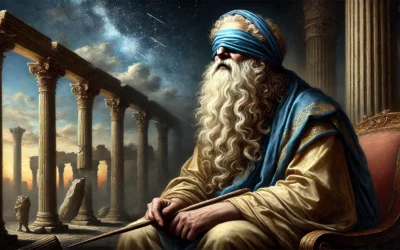
Tiresias, the Blind Prophet
One of the most intriguing and multifaceted characters in Greek mythology is Tiresias, the blind prophet of Thebes. This seer, who spent seven years as a woman before becoming a man again, plays a fundamental role in several literary works, including tragedies by...

The Sacrifice of Iphigenia
Greek mythology is full of heroes, gods, and complex characters, each with their own stories and lessons. One of these figures, perhaps somewhat less well known, is Iphigenia, the unfortunate daughter of Agamemnon and Clytemnestra. Although her story is tragic, her...
Erysichthon, Insatiable Hunger
The ancient stories of Greek mythology have fascinated humanity for thousands of years. Their narratives, full of gods, heroes, mythical creatures, and moral lessons, have influenced many cultures and remain relevant to this day. In this article, we will focus on one...
The Myth of Philomela and Procne
Today we discuss the myth of Philomela and Procne. It is a tragic and moving story from ancient Greek mythology, notable both for the rawness of its details and for its powerful symbolism. It is the story of two sisters, bound by unbreakable ties of loyalty and love,...

Leda and the Swan
Greek mythology is full of astonishing stories that have left an indelible mark on culture and art over the centuries. One of the most intriguing and controversial tales is that of "Leda and the Swan." The story of the seduction of the mortal Leda by the god Zeus...
Who Was the Goddess Atalanta?
Atalanta, an iconic figure in Greek mythology, is famous for her tireless speed and sharp wit. In a world dominated by men, she emerged as a heroine, defying conventional norms and forging her own path. In every tale about her life, her resilience and her ability to...
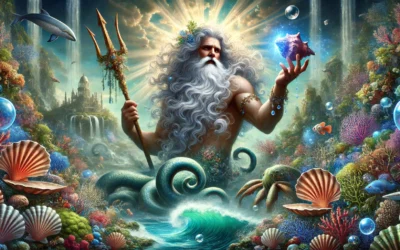
Nereus, the Old God of the Sea
Greek mythology is a vast mosaic of gods, heroes, and legendary entities, each with its own narrative and singular character. One of these gods is Nereus, an ancient sea deity who, although less well known than Poseidon, plays an important role in the Greek pantheon....

The Graeae, One Eye and One Tooth
Greek mythology, full of gods, heroes, creatures, and legends, is a vast world that continues to spark fascination today. In this broad pantheon, the Graeae are three figures often overshadowed by better-known characters. Yet these sisters, endowed with a single eye...

mitologiaclasica.com is a website dedicated to exploring and popularizing the fascinating richness of mythology, offering a vast compendium of stories, characters, and legends.
Explore
Greek Mythology
Roman Mythology
Norse Mythology
Egyptian Mythology
Hindu Mythology
Chinese Mythology
Japanese Mythology
Celtic Mythology
Privacy Policy
Privacy Policy
Copyright mitologiaclasica.com