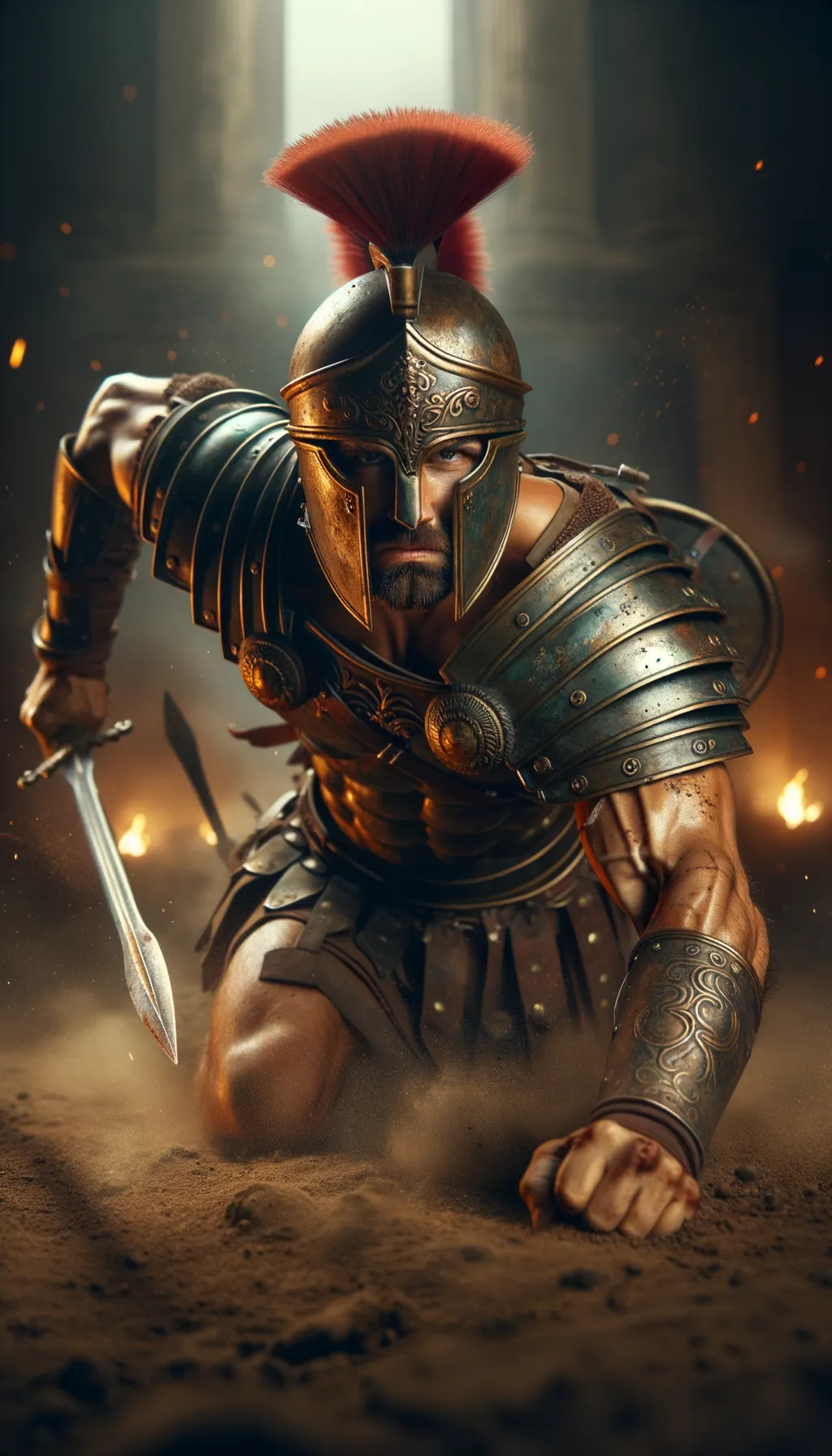
Greek tragedies are a form of theater that originated in ancient Greece. The tragic and moving stories these dramas present have captivated audiences for thousands of years. In this article, we’ll explore the history, characters, themes and legacy of Greek tragedies.
What is meant by Greek tragedies?
Greek tragedies are a form of theater that developed in ancient Greece around 2500 BC. This dramatic genre is famous for its emotional and complex narratives that explore human suffering and moral dilemmas. Greek tragedies are unique in form, often featuring a tragic hero who suffers a downfall due to his own tragic flaw, or hamartia.
These dramas were performed at religious festivals in honor of Dionysus, the god of wine and ecstasy. During these festivals, tragedies were presented in trilogies, with a final tetralogy made up of three tragedies and a comic or satyr play. Performances were an integral part of Greek society and a hub for discussing ethical and philosophical issues.
What does tragedy mean?
The term “tragedy” itself comes from the Greek tragōidia, which translates as “song of the goat”. Although the exact etymology is unclear, some believe this may be related to the practice of sacrificing a goat during the Dionysian festivals.
The origin of tragedies: the Dionysian festivals
Greek tragedy originated in the Dionysian festivals, annual events held in honor of Dionysus. These festivals were an integral part of Greek society, and served as a way of exploring questions about morality, justice and the human condition.
The Dionysian festivals featured a tragedy competition, where different playwrights presented their works to be judged. This competition often included three tragedies and a satyr play, all written by the same author. This format allowed authors to explore different facets of the same theme or story.
The festivals also included rituals and sacrifices to Dionysus, as well as processions and banquets. Although the main purpose was to honor the god, the festivals also served as an opportunity for the community to gather, take part in public debate and reflect on the values and dilemmas of their society.
The Great Three: Aeschylus, Sophocles, Euripides
There are three Greek playwrights whose works have endured and had a significant impact on Western culture: Aeschylus, Sophocles and Euripides. Although other playwrights also contributed to the genre of Greek tragedy, these three are considered the greatest due to the quality and influence of their works.
Aeschylus, known as the “father of tragedy”, was the first to introduce a second actor onto the stage, transforming drama from a monologue into a dialogue. His tragedies often explore themes of fate, justice and the role of the gods in human life.
Sophocles, a contemporary of Aeschylus, is famous for his tragedies that delve into human psychology and moral complexity. He introduced a third actor onto the stage and reduced the importance of the chorus, focusing more on character development and plot.
Euripides, the last of the three greats, is known for his realistic approach and his criticism of the gods and society. His tragedies often feature women and slaves as main characters, and question the social and religious conventions of his time.
Aeschylus: the father of Greek tragedy
Aeschylus, the father of Greek tragedy, introduced important innovations to the genre. Before Aeschylus, plays were mainly monologues, but he was the first to bring a second actor onto the stage, which allowed dialogue to develop.
Aeschylus’s works often center on fate and justice, and are known for their poetic language and powerful choruses. His tragedies are also recognized for their emphasis on divine intervention in human affairs. His most famous works are “The Persians”, “Seven Against Thebes” and the trilogy “The Oresteia”.
Although only seven of Aeschylus’s approximately 90 plays survive, they played a fundamental role in shaping the genre of Greek tragedy and in exploring philosophical and ethical themes through drama.
Sophocles: the innovator of dramaturgy
Sophocles is recognized for his innovations in the structure and technique of Greek tragedy. He introduced a third actor onto the stage and reduced the importance of the chorus, allowing for greater development of plot and characterization. His works are known for their psychological and moral complexity, and their exploration of ethical dilemmas.
Sophocles’s tragedies often focus on the tension between fate and human freedom, and on the individual’s struggle against external forces. His most famous works are “Oedipus Rex”, “Antigone” and “Electra”.
Although only seven of Sophocles’s more than 120 plays survive, they have had a great impact on Western theater and continue to be performed today.
Euripides: the rebel of tragedy
Euripides is the last of the three great Greek playwrights, and is known for his critical, realistic approach to tragedy. Unlike Aeschylus and Sophocles, Euripides often portrayed the gods as imperfect beings and criticized the social and religious conventions of his time.
Euripides’s works often feature women and slaves as main characters, and explore themes such as madness, love and war. His tragedies are also known for their use of irony and sarcasm, and for their emphasis on emotion and rhetoric.
Although his works were often controversial in his time, Euripides has had a great influence on Western theater. His most famous works include “Medea”, “The Bacchae” and “Hippolytus”.
Common themes in Greek tragedies
Greek tragedies often explore themes of fate, justice, sacrifice and human nature. One of the most common themes is hubris, or excessive pride, which often leads to the downfall of the tragic hero.
Another common theme is that of justice and revenge. Many Greek tragedies focus on characters seeking justice for some injustice or crime, and on the cycle of revenge this can trigger.
The role of the gods and fate is also a recurring theme in Greek tragedies. Characters often struggle against their fate or seek the help of the gods, with varied results. This theme explores questions of free will and responsibility, as well as the relationship between humans and the gods.
Myths and legends: the characters of Greek tragedies
The characters of Greek tragedies frequently resemble figures from mythology and legend, from valiant heroes like Achilles and Heracles to majestic deities like Athena and Aphrodite. These characters often face superhuman challenges and complex moral decisions, which makes them resonate with audiences even today. Through their struggles and triumphs, these figures offer us a view of the ideals and dilemmas of ancient Greek society.
Moreover, the characters of Greek tragedies are often trapped in tragic situations due to their fate or the whims of the gods. These characters, such as Oedipus in “Oedipus Rex”, show us the limits of human effort and the inevitability of fate. Through these characters, Greek tragedies explore profound themes such as freedom, justice and sacrifice.
Finally, the characters of Greek tragedies also often embody cultural concepts and values. For example, the figure of Antigone in Sophocles’s tragedy of the same name represents loyalty to family and resistance to unjust authority. Through these characters, Greek tragedies offer us a view of the ideals and values of ancient Greek society.
The choruses in tragedies: more than a simple accompaniment
In Greek tragedies, the chorus is not just a musical accompaniment, but an integral part of the play. The choruses comment on the action, provide context and interpretation, and often represent the opinion of Greek society at large. The choruses are also a form of art in themselves, with complex choreography and singing.
Moreover, the choruses in Greek tragedies often play a critical role in plot development. They can act as mediators between characters, give advice or warnings, or even intervene in the action. Through these functions, the choruses help move the plot along and add depth and complexity to the work.
Finally, the choruses in Greek tragedies can also represent the gods or the forces of nature. For example, in Euripides’s “The Bacchae”, the chorus is made up of the followers of Dionysus, the god of wine and ecstasy. Through these roles, the choruses provide a connection between the human characters and the divine and natural world.
The legacy of Greek tragedies in Western culture
From literature and theater to art and film, these works have profoundly influenced the way we tell stories and explore human ideas and emotions. Greek tragedies have helped shape the conventions of modern drama, from the three-act structure to the idea of catharsis.
Moreover, Greek tragedies have influenced our understanding of human nature and our moral and existential struggles. Through characters such as Oedipus and Antigone, these works have helped us explore themes such as freedom, justice, duty and sacrifice. Through these stories, we have learned to recognize the complexity and inherent dignity of the human experience.
Finally, Greek tragedies have also left a lasting impact on our language and thought. Phrases and concepts from these works, such as “inescapable fate” or “pride before the fall”, have become part of our cultural vocabulary. Through these influences, Greek tragedies continue to resonate in our culture and in our worldview.
The role of Greek tragedies in contemporary literature
Greek tragedies have influenced not only ancient and classical literature, but also contemporary literature. Many modern writers, such as T.S. Eliot, James Joyce and Margaret Atwood, have drawn on Greek tragedies to explore contemporary themes and shape their own works.
For example, Margaret Atwood’s novel “The Penelopiad” reimagines Homer’s “Odyssey” from Penelope’s perspective, exploring themes of gender and power. Similarly, Aeschylus’s play “The Oresteia” has influenced modern novels such as Mario Puzo’s “The Godfather”, which portrays a family saga of revenge and justice.
Moreover, Greek tragedies have inspired many modern playwrights. For example, Euripides’s “The Trojan Women” has been reinterpreted numerous times to comment on modern wars and the human condition. Through these influences, Greek tragedies continue to inform and enrich contemporary literature.
Why does fascination with Greek tragedies persist?
Fascination with Greek tragedies persists because these works explore universal and timeless themes. From the personal and moral struggles of heroes to the dilemmas of society and human nature, these works resonate with our own experiences and questions. Greek tragedies offer us a profound and moving vision of the human condition.
Moreover, Greek tragedies captivate us with their artistry and skill. From the masterful use of language to the combination of music, dance and drama, these works are a testament to human creativity and expression. Greek tragedies are a reminder of the beauty and capacity of literature to explore and express our deepest emotions and ideas.
Finally, Greek tragedies connect us to our cultural roots. They give us a view of ancient Greek society, its ideals and values, and its worldview. Through these works, we connect with a distant past and, at the same time, reflect on our present and future.

Subscribe
If you want to receive in your mailbox stories, curiosities and legends of the most fascinating creatures of classical mythology just fill in this form.
Continue reading
If you liked this article, you like mythology. And in this case, we have much more to offer you. Discover new adventures, heroes, nymphs, gods, battles, teachings… Just click on the button.
Nereus, the Old God of the Sea
Greek mythology is a vast mosaic of gods, heroes, and legendary entities, each with its own narrative and singular character. One of these gods is Nereus, an ancient sea deity who, although less well known than Poseidon, plays an important role in the Greek pantheon....

The Graeae, One Eye and One Tooth
Greek mythology, full of gods, heroes, creatures, and legends, is a vast world that continues to spark fascination today. In this broad pantheon, the Graeae are three figures often overshadowed by better-known characters. Yet these sisters, endowed with a single eye...
The Revenge of Clytemnestra
The queen of Mycenae, Clytemnestra, stands as one of the most intriguing and complex figures in Greek mythology. Her story, which has been explored in literature and art over the centuries, is a saga of love, betrayal, revenge, and tragedy. In this article, we will...

The Gorgons, the Three Monstrous Sisters
In the vast array of mythological beings that inhabit the legends of ancient Greece, the Gorgons hold a particularly terrifying place. These female beings, whose name comes from the ancient Greek word "gorgós," meaning "fierce" or "terrible," are famous mainly for...

Iris, the Messenger of the Gods
Greek mythology, rich in stories, characters, and symbolism, has fascinated humanity for thousands of years. Among the gods and goddesses who populate these stories, one figure stands out for her connection to the sky, the gods, and humans: Iris, the messenger of the...

Who Was Tyndareus?
Greek mythology is a vast universe full of stories and characters that have influenced Western culture in countless ways. Among these characters, one of the most important is Tyndareus, king of Sparta. His life, full of intrigue and conflict, is a perfect example of...

Cadmus, the Phoenician Hero
In the tales of Greek mythology, we find countless characters who have left their mark on history and culture. Among them, a figure who stands out is Cadmus, the Phoenician hero who became the legendary founder of the city of Thebes. In this article, we will explore...

The Curse of Phaedra
In the vast cosmos of Greek mythology, Phaedra represents a luminous and tragic figure. Her name is synonymous with forbidden passion, deceit, and revenge, and her story has inspired generations of playwrights, novelists, and psychologists. In this article, we will...

The Myth of Ixion
In the following article, we will explore the myth of Ixion, his story, and the impact he has had on Greek culture and beyond. Greek mythology is full of colorful characters and impressive adventures. Its pages are adorned with tales of love, betrayal, courage, and...

mitologiaclasica.com is a website dedicated to explore and spread the fascinating richness of mythology, offering a vast compendium of stories, characters and legends.
Explore
Greek Mythology
Roman Mythology
Norse Mythology
Egyptian Mythology
Hindu Mythology
Chinese Mythology
Japanese Mythology
Celtic Mythology
Privacy Policy
Privacy Policy
Copyright mitologiaclasica.com