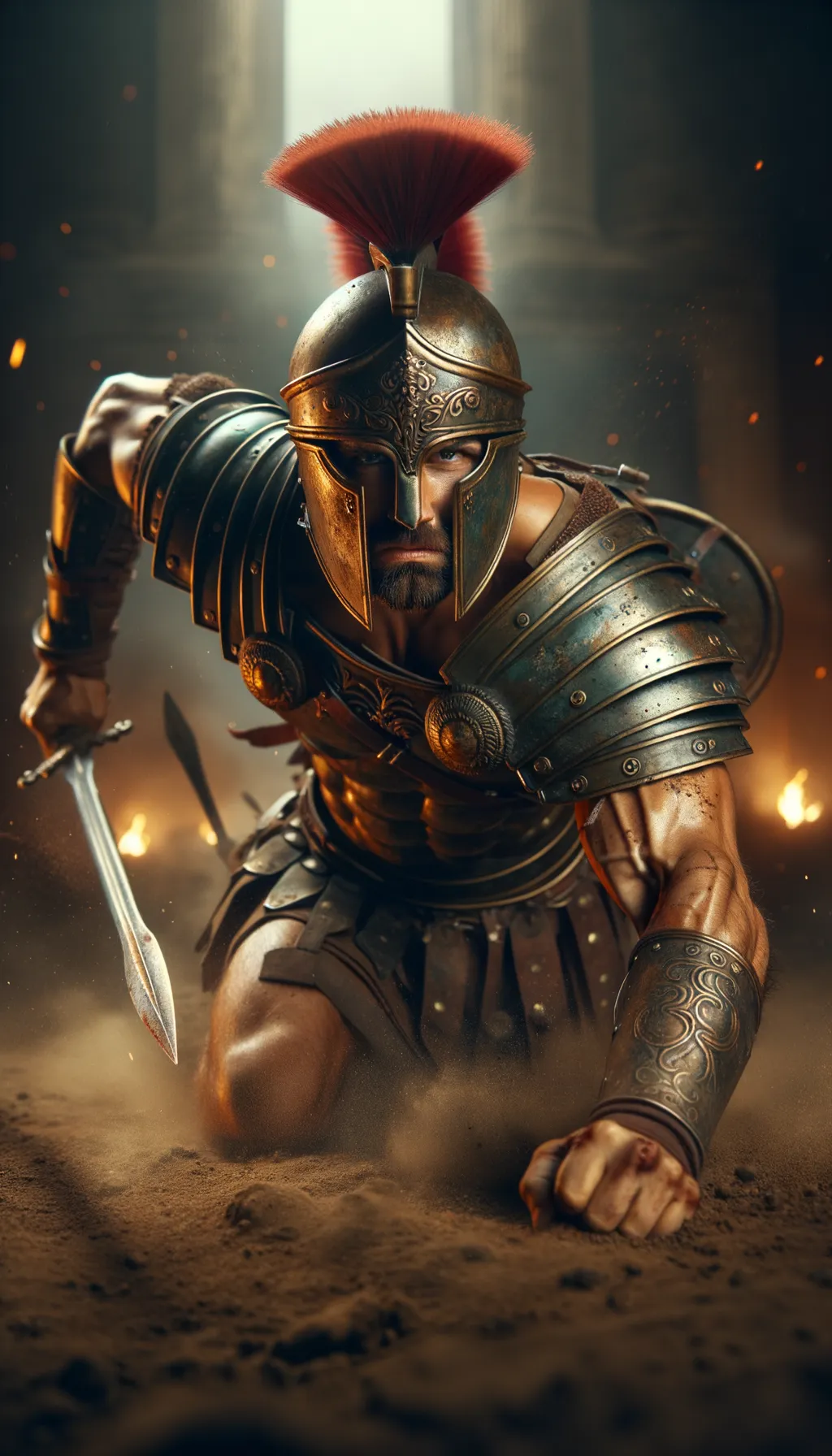

In the vastness of the firmament, few constellations capture the imagination like the Pleiades, also known as the Seven Sisters. This group of stars, visible to the naked eye, has fascinated humanity for millennia, weaving its story into modern mythology and astronomy.
The Mythological Origin of the Pleiades
The Pleiades owe their name to Greek mythology, where they are described as the seven daughters of the Titan Atlas and the sea nymph Pleione. According to legend, Zeus transformed the sisters into stars to protect them from the pursuit of the hunter Orion, immortalizing them in the night sky.
Who Were the Seven Sisters?
The daughters of Atlas are also known for their association with various ancient cultures and civilizations, which have interpreted their presence in the sky in different ways throughout history. Their brightness and arrangement in the sky have inspired numerous stories and beliefs around the world, making them a symbol of beauty and mystery that endures to this day. But who were these seven sisters in Greek mythology?
Maia
The eldest of the Pleiades, Maia was known for her beauty and her preference for solitude. Mother of Hermes, her name is associated with spring and the month of May in the Roman calendar.
Electra
Considered the third-brightest star of the group, Electra is the mother of Dardanus, mythical founder of Troy. Some legends identify her as the “lost Pleiad” who disappeared after the fall of that city.
Taygete
She valued her independence and lived in the mountains. Mythology tells how she transformed into a deer to escape Zeus, demonstrating her cunning and agility.
Alcyone
Currently the brightest of the Pleiades, Alcyone was the mother of several children with Poseidon, including Hyrieus and Hyperenor.
Celaeno
Mother of Lycus, Celaeno was chosen by Poseidon to dwell on the Isles of the Blessed, a mythological paradise.
Sterope
Known for her union with Oenomaus or, in older versions, as his mother through her relationship with Ares, god of war.
Merope
The only one who married a mortal, Sisyphus. Her star is the least visible of the group, which has given rise to various mythological interpretations about her “disappearance.”
What Do the 7 Stars Mean?
Several mythological events led to the transformation of the Pleiades into stars, according to different versions of the Greek legend:
- Orion’s pursuit: The hunter Orion fell in love with the seven sisters and pursued them relentlessly. Zeus, to protect them from his harassment, first transformed them into doves and then into stars, placing them in the sky.
- The killing of Atlas: After the death of their father Atlas at the hands of Zeus during a war, the sisters were left grief-stricken. Zeus, taking pity on their sorrow, granted them an eternal place in the celestial vault as stars.
- The punishment of Atlas: In another version, when Atlas was condemned to bear the celestial vault upon his shoulders, the Pleiades, grieved by their father’s fate, took their own lives. Zeus, moved by their tragedy, immortalized them as a constellation.
These stories reflect how Greek mythology explained the presence of this prominent star cluster in the night sky, combining elements of love, tragedy, and the divine intervention of Zeus.
Why Did Orion Pursue the Pleiades?
According to Greek mythology, Orion pursued the Pleiades for several reasons that reflect both his character and the dynamics of power between gods and mortals. First, Orion is said to have fallen hopelessly in love with the seven sisters, which led him to become obsessed with them and pursue them for a long period, estimated at between five and seven years. His desire to seduce or force himself upon Pleione and her daughters was one of the motivations behind this pursuit, which caused the Pleiades to try to flee from him.
Moreover, some versions of the myth suggest that Orion’s arrogance also played an important role in his behavior. As a distinguished hunter, he felt confident in his abilities and sought to demonstrate his prowess by pursuing the sisters. In certain narratives, this pursuit was seen as divine punishment, since Orion had offended the gods with his pride.
Finally, to protect the Pleiades from Orion’s relentless pursuit, Zeus decided to transform them into stars. Thus, the famous star cluster that bears their name became a symbol of both love and danger, reflecting the complexity of the relationships between gods and mortals in Greek mythology.
Where Does the Name “Pleiades” Come From in Greek Mythology?
The name “Pleiades” has several possible origins in Greek mythology:
- It could derive from the name of their mother, Pleione.
- It may come from the Greek word “πλειάς” (pleias), meaning “many,” in reference to the multitude of stars in the cluster.
- Another possibility is that it comes from “πλησίον” (plesion), meaning “near,” due to the proximity of the stars to one another.
- It has also been suggested that it derives from “πλεῖν” (plein), meaning “to sail,” since the heliacal rising and setting of these stars marked the beginning and end of the sailing season in antiquity.
- A common interpretation links them to “πελειάδες” (peleiades), meaning “doves,” since according to the myth, Zeus first transformed them into doves before turning them into stars.
These various etymologies reflect both the astronomical characteristics of the star cluster and the mythological elements associated with the Pleiades in ancient Greek culture.
Cultural Impact of the Pleiades
The Pleiades have left an indelible mark on various cultures. From the Greeks to Native Americans, as well as civilizations of the East, these stars have inspired myths, legends, and rituals. Their appearance in the night sky has traditionally marked agricultural cycles and festivals around the world.
The Seven Sisters continue to captivate our imagination, reminding us of the eternal connection between heaven and Earth, between myth and science. Whether as an object of astronomical study or as a source of poetic inspiration, the Pleiades remain a bright beacon in our universe, inviting us to look up and marvel at the mysteries of the cosmos.
A Legacy That Endures Through the Centuries
Since antiquity, the Pleiades have been venerated and studied by various cultures around the world, demonstrating their lasting impact on humanity. Through their presence in different traditions and beliefs, the Seven Sisters remain a symbol of beauty and mystery in the firmament.
Their influence transcends borders and continues to inspire generations of scientists, artists, and curious minds seeking to understand their meaning in the universe. The Pleiades remind us of the connection between myth and science, between the tangible and the intangible, between the human and the divine.
In the vastness of the firmament, few constellations capture the imagination like the Pleiades, also known as the Seven Sisters. This group of stars, visible to the naked eye, has fascinated humanity for millennia, weaving its story into modern mythology and astronomy.
Significance in Astronomy
The Pleiades cluster is visible to the naked eye in the night sky, especially in autumn and winter. It is located in the constellation Taurus. Although seven stars are spoken of, usually only six are clearly seen, which is related to the idea that one of the Pleiades (Merope) hides herself.
The Pleiades combine elements of mythology, astronomy, and cultural symbolism, serving as a bridge between the tales of the gods and the observation of the cosmos.

Subscribe
If you want to receive in your mailbox stories, curiosities and legends of the most fascinating creatures of classical mythology just fill in this form.

The most immoral gods in Greek mythology
Greek mythology is full of fascinating stories that reflect the complexities of human nature through its gods. These gods often exhibit behaviour that today we would consider immoral. In this article, we will explore some of the most immoral gods and also take a look...

Hypnos, the god of sleep
Greek mythology, rich and vibrant, is full of gods and goddesses, heroes and villains, stories and legends. Each mythological figure has a role to play and lessons to pass on. Today, we will focus on Hypnos, the god of sleep. Although he is not as well known as Zeus...
Zeus, king of all the gods
Today we're going for the jackpot. In this article we'll talk about Zeus, a central figure in Greek mythology, the king of all the gods and goddesses of Mount Olympus. His story and symbolism have influenced ancient Greek culture and art, and his legacy lives on in...
What does the myth of the god Aeolus try to explain?
In the vast mosaic of Greek mythology, one figure stands out for its unique role: Aeolus, the god of the winds. This divine character, less well known than deities such as Zeus or Apollo, is nevertheless essential to the ancient conception of the world and the cosmos....
Cassandra’s Myth: The Ignored Prophecy
The Greek mythology is full of heroes, gods and supernatural beings whose stories continue to serve as a source of inspiration and reflection even in modern times. Among these notable tales is the myth of Cassandra, a strong and tragic female character who embodies...

Thanatos, the Non-Violent Death
In the corpus of Greek mythology, the gods and goddesses play crucial roles in explaining the fundamental aspects of life and death. One of these lesser-known but often misunderstood gods is Thanatos, the divine personification of non-violent death. Throughout this...

Nyx, the Goddess of the Night
Nyx, the goddess of the night in Greek mythology, is a powerful and enigmatic figure. She is the daughter of Chaos and the mother of deities such as Hypnos and Thanatos. Although her presence is not as prominent as that of Zeus or Poseidon, her influence extends to...
Amalthea, Zeus’s Nurse
In the vast universe of Greek mythology, a character who often goes unnoticed, but whose role is crucial in the story of the Olympian gods, is Amalthea. Although she is often overshadowed by more prominent figures, she plays a fundamental role in the story of Zeus...

Perseus and the head of Medusa
In Greek mythology, few tales have captured the imagination and wonder of generations as the epic of Perseus and the head of Medusa. This myth encapsulates not only the magic and heroics typical of Greek mythology, but also deep layers of symbolism that reveal...