The Goddess of Vengeance in Greek Mythology: Nemesis, the Eternal Adversary
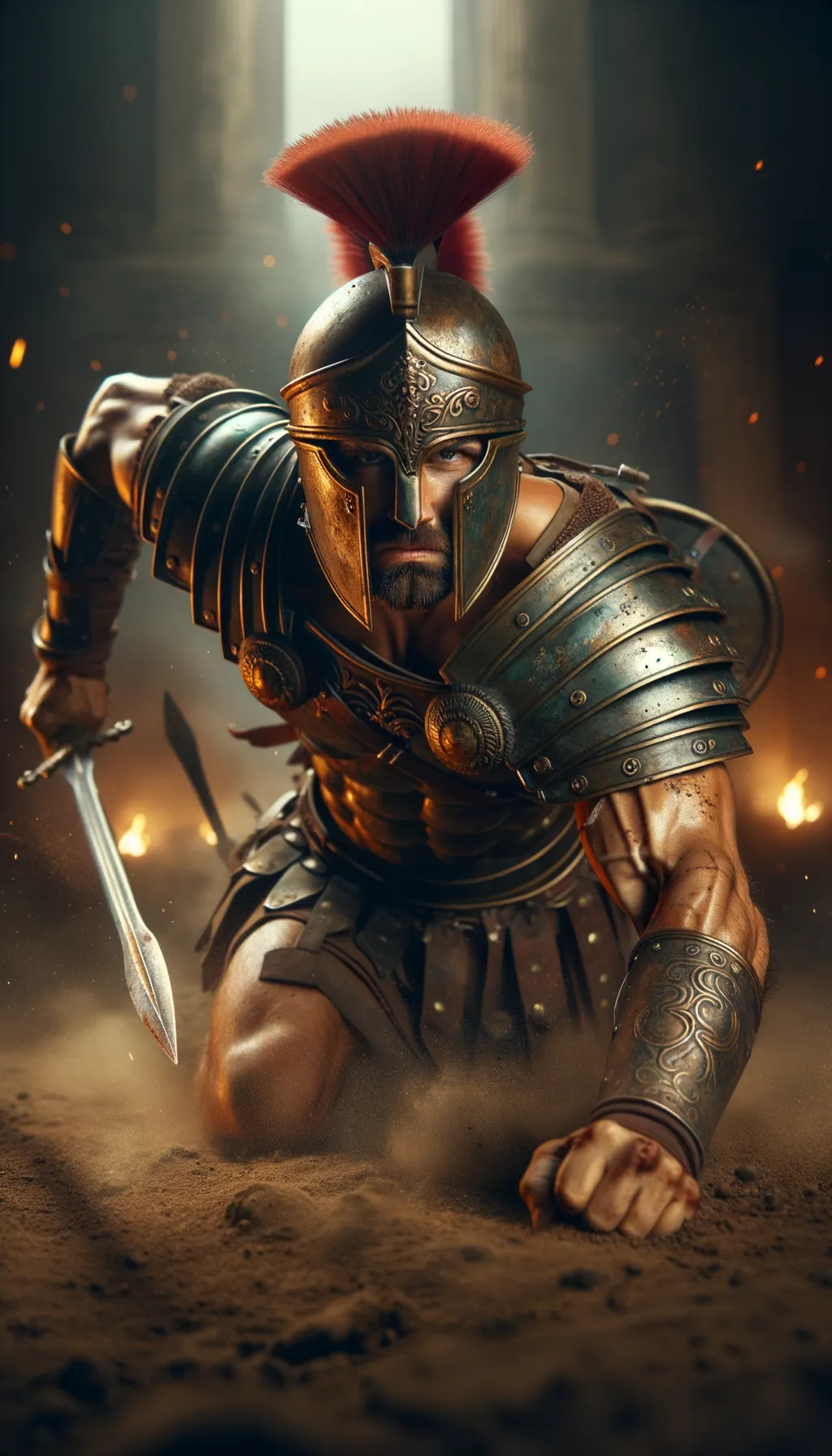
In Greek mythology, Nemesis, venerated as the goddess of retribution, stands as an emblem of justice. She was believed to punish those who committed acts of pride, particularly against the gods. Nemesis represented balance, and her role was to preserve harmony in the world by punishing excessive joy or sorrow. Her name, which translates as “retribution,” represents her function as the symbolic representation of divine punishment.
Mythological Origins of Nemesis in Greek Culture
According to Greek mythology, Nemesis was the daughter of Night (Nyx) and Darkness (Erebus), although in some interpretations she is seen as a descendant of Zeus. She appears in multiple mythological tales, often to punish human beings who had become excessively proud or arrogant. She was a feared and respected figure, a constant presence reminding human beings of the wrath of the gods.
Influence and Relevance of Nemesis in Greek Mythology
Nemesis was a powerful deity whose impact was reflected in every facet of daily life in ancient Greece. Not only was she responsible for punishing mortal beings, but she was also responsible for preserving order in the sacred world. She had the ability to alter a person’s fate and prosperity, which made her a fearsome figure. Her role was vital to preserving balance and fairness in the world, and her impact could be felt in everything, from individual conflicts to conflicts between cities and states.
Legends Linked to Nemesis: Myths and Stories
There are multiple stories and myths linked to Nemesis. Two of the best-known figures are Narcissus and Helen of Troy.
The Myth of Narcissus
Narcissus was a young man of outstanding beauty, descended from the god Cephissus and the nymph Liriope. His charm was so radiant that it attracted all the men and women who beheld him, but he rejected them out of vanity. Nemesis, irritated by Narcissus’s irresponsibility, chose to punish him. The goddess led the young man to a stream, where he saw his own reflection and immediately fell in love with his own image. Narcissus, unable to look away from himself and consumed by an unattainable love, eventually took his own life.
This myth has various interpretations. In one of them, a nymph known as Echo falls in love with Narcissus and is brutally rejected, which prompts the shamed maidens to ask the gods for revenge. In a different version, a young man named Ameinias falls in love with Narcissus and, after being rejected in the same way, decides to take his own life, asking Nemesis to accept his death.
She Is Helen of Troy
Regarding the myth of Helen of Troy, certain interpretations indicate that Nemesis was Helen’s true mother. Helen’s singular beauty triggered the conflict that unleashed the Trojan War. Helen’s beauty, presumably attributed to Nemesis, set off a series of events that sparked the war between Greeks and Trojans. This tale exposes Nemesis’s function as a driver of justice and cosmic balance, demonstrating that beauty can be both a gift and a punishment.
What Did the Wheel Carried by Nemesis Represent?
One of the most recognizable emblems of Nemesis is the wheel. It was the constant reflection of fortune, reminding human beings that joy and adversity are fleeting, and that vanity can lead to downfall. The wheel also evokes her omnipresent presence and her ability to alter fate.
What Did the Sword Nemesis Carried Symbolize?
Nemesis is often shown carrying a sword, an emblem of her power to enact justice. The sword symbolizes her authority to punish those who transgress divine and human rules, and to restore balance when it veers toward arrogance or excessive misery.
What Other Symbols Did Nemesis Use to Symbolize Her Authority?
In addition to the sword and the wheel, Nemesis is often shown with a scale, a whip, or an apple branch. Each of these symbols has a specific connotation: the scale symbolizes equality and justice, the whip represents punishment, and the apple branch is a reminder that beauty can be both a blessing and a curse.
Cult and Worship in Ancient Greece
Although Nemesis was not one of the most frequently venerated deities in ancient Greece, she was worshipped and feared. She was venerated at multiple sites, including Athens and Smyrna. The Greeks invoked her as a means of calming her wrath and seeking her protection against arrogance and misery.
Influence on Both Classical and Contemporary Literature
In traditional literature, Nemesis is mentioned in the works of Homer and Hesiod, while in modern literature, her name is often used to refer to a powerful adversary or competitor. Her impact also extends to film, comics, and video games, where she is often portrayed as a character of retribution and vengeance.
What Role Did Nemesis Play in Ancient Wars?
In times of armed conflict, the ancient Greeks often turned to Nemesis in search of justice. They believed she would punish those who behaved with pride or scorn on the battlefield. Moreover, she was thought to have the ability to intervene in conflicts and alter the course of war to ensure that justice prevailed.
What Are the Differences Between Nemesis and the Erinyes?
Although both Nemesis and the Erinyes are figures of vengeance in Greek mythology, there are key differences between them. While the Erinyes, also called the Furies, focused on punishing crimes against the family, particularly matricide and parricide, Nemesis exercised much broader control, punishing any kind of arrogance and excessive misery.
What Does “Nemesis” Mean Today?
Today, the term “nemesis” is often used to refer to an adversary or enemy who is especially difficult to defeat. This contemporary usage comes directly from Greek mythology, in which Nemesis was a powerful deity who punished arrogance and excessive misery.
In conclusion, Nemesis, the deity of retribution, is an intriguing and complex figure in Greek mythology. Her function as protector of balance and fairness, her ability to alter fate, and her impact on contemporary literature and culture make her an unchanging and significant figure. She is a reminder of the importance of humility, equality, and justice in our lives. No matter the time or place, the message is clear: arrogance does not go unpunished, and justice will prevail.

Subscribe
If you want to receive in your mailbox stories, curiosities and legends of the most fascinating creatures of classical mythology just fill in this form.
Deimos, the God of Terror
If we venture into the fascinating universe of Greek mythology, we find Deimos, one of the least explored deities but with undeniable relevance. Deimos, whose name means "dread," is an enigmatic god linked to the darkest and most frightening aspects of human...
Tiresias, the Blind Prophet
One of the most intriguing and multifaceted characters in Greek mythology is Tiresias, the blind prophet of Thebes. This seer, who spent seven years as a woman before becoming a man again, plays a fundamental role in several literary works, including tragedies by...
The Sacrifice of Iphigenia
Greek mythology is full of heroes, gods, and complex characters, each with their own stories and lessons. One of these figures, perhaps somewhat less well known, is Iphigenia, the unfortunate daughter of Agamemnon and Clytemnestra. Although her story is tragic, her...
Erysichthon, Insatiable Hunger
The ancient stories of Greek mythology have fascinated humanity for thousands of years. Their narratives, full of gods, heroes, mythical creatures, and moral lessons, have influenced many cultures and remain relevant to this day. In this article, we will focus on one...
The Myth of Philomela and Procne
Today we discuss the myth of Philomela and Procne. It is a tragic and moving story from ancient Greek mythology, notable both for the rawness of its details and for its powerful symbolism. It is the story of two sisters, bound by unbreakable ties of loyalty and love,...

Leda and the Swan
Greek mythology is full of astonishing stories that have left an indelible mark on culture and art over the centuries. One of the most intriguing and controversial tales is that of "Leda and the Swan." The story of the seduction of the mortal Leda by the god Zeus...

Who Was the Goddess Atalanta?
Atalanta, an iconic figure in Greek mythology, is famous for her tireless speed and sharp wit. In a world dominated by men, she emerged as a heroine, defying conventional norms and forging her own path. In every tale about her life, her resilience and her ability to...
What Is the Story of Pygmalion and Galatea?
The names Pygmalion and Galatea resonate in the collective imagination. They are two figures who have inspired poets, writers, and artists throughout the centuries. The love story between the sculptor and his creation is one of the most moving and fascinating in Greek...

Nereus, the Old God of the Sea
Greek mythology is a vast mosaic of gods, heroes, and legendary entities, each with its own narrative and singular character. One of these gods is Nereus, an ancient sea deity who, although less well known than Poseidon, plays an important role in the Greek pantheon....

Classical Mythology
mitologiaclasica.com is a website dedicated to explore and spread the fascinating richness of mythology, offering a vast compendium of stories, characters and legends.
Madrid, 2023
info@mitologiaclasica.com
Explore
Greek Mythology
Roman Mythology
Norse Mythology
Egyptian Mythology
Hindu Mythology
Chinese Mythology
Japanese Mythology
Celtic Mythology
Privacy Policy
Privacy Policy
Copyright mitologiaclasica.com