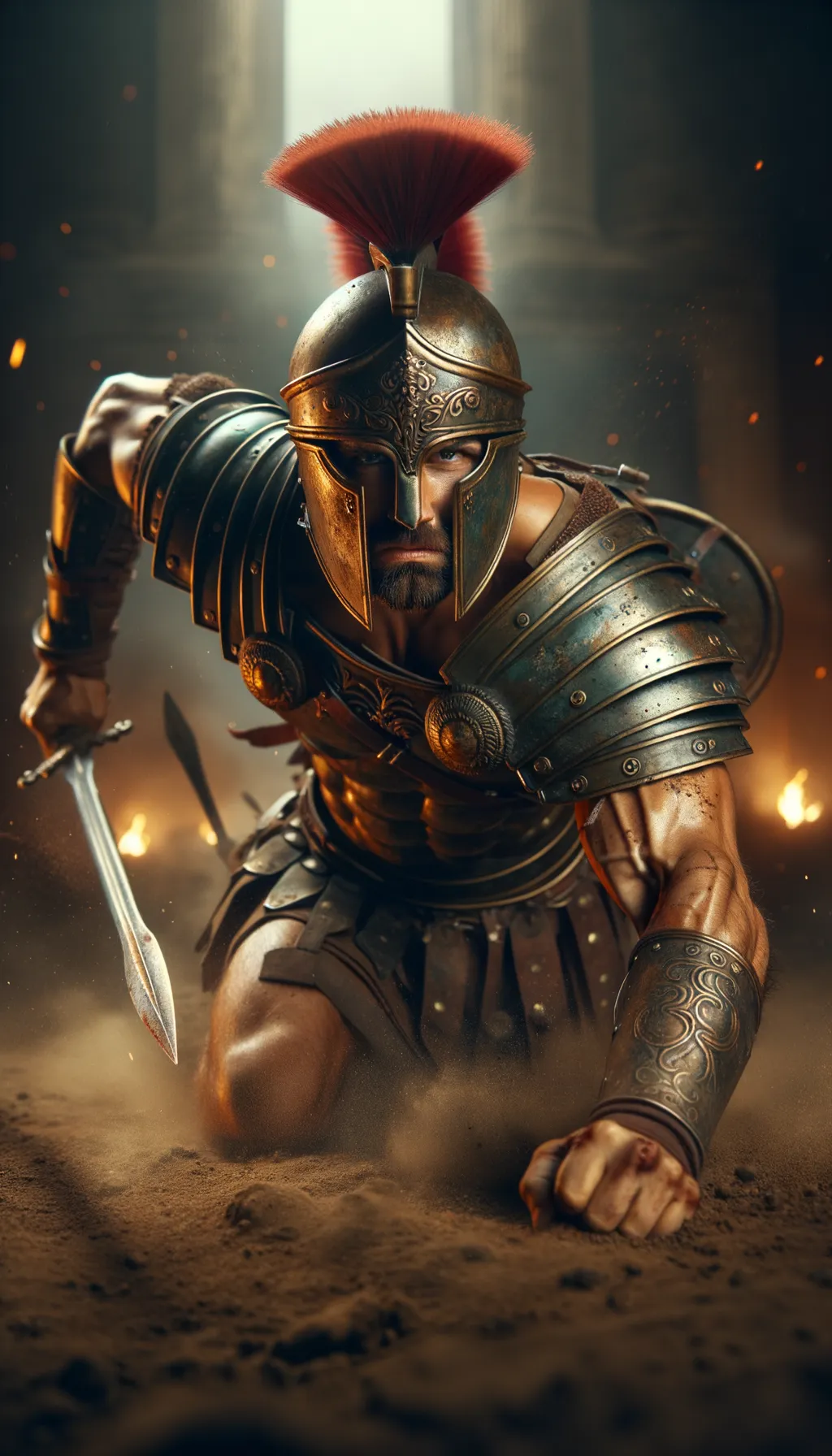
Who Are the Fir Bolg?
Celtic mythology is a collection of stories and legends that originated in the ancient Celtic cultures of Europe. It is characterised by its rich oral tradition and its strong connection with nature. At the centre of this mythology stand the Fir Bolg, a race of human beings who are believed to have been the first inhabitants of Ireland. Their history is one of struggle, conquest and ultimately downfall.
They are mentioned in several ancient sources, including the “Lebor Gabála Érenn”, a medieval manuscript that recounts the mythical history of Ireland. According to this text, they were descendants of the Nemedians, another mythical group that supposedly inhabited Ireland before them. However, the Fir Bolg are best known as the predecessors of the Tuatha Dé Danann, the Celtic gods of Irish mythology.
Finally, it is important to stress that although they are legendary figures, their presence in Celtic mythology has influenced the cultural identity of Ireland to this day. It is believed that the myths and legends surrounding them contain echoes of the real history of Ireland’s first inhabitants, which has led many historians and archaeologists to investigate their existence and their legacy.
What Does Fir Bolg Mean?
The name “Fir Bolg” means “men of bags” in Old Irish, which has led to some intriguing interpretations of their origin. Some believe the name derives from the supposed custom of these first Irish people of carrying their possessions in leather bags. Others, however, suggest that the term “bolg” could refer to lightning or thunder, which would imply that the Fir Bolg had a special relationship with the forces of nature.
The physical description of the Fir Bolg also varies depending on the source. Some texts describe them as ordinary human beings, while others portray them as giants. In any case, they are believed to have been strong and brave, qualities they showed in their struggle for the land they considered their home.
The Arrival of the Fir Bolg in Ireland
The arrival of the Fir Bolg in Ireland is a crucial event in Celtic mythology. According to the “Lebor Gabála Érenn”, after being expelled from Ireland, the Nemedians scattered across the world. Some reached Greece, where they were enslaved. After many years of servitude, they managed to free themselves and return to Ireland, where they settled as the Fir Bolg.
The mythical narrative says that they divided the island into five provinces: Connacht, Leinster, Munster, Ulster and Meath. Each province was governed by a king, and together they formed a ruling council. This division of the land is important in Celtic mythology, since it reflects the importance the Celts gave to land and property.
The arrival of the Fir Bolg in Ireland marked the beginning of a new era in the mythical history of the island. However, their reign would not last long, since they would soon face the arrival of a new group: the Tuatha Dé Danann.
Social Structure and Daily Life of the Fir Bolg
Fir Bolg society had a hierarchical structure. At the top was the king, who governed the province with the help of his council. Kings were chosen for their bravery and skill in battle, reflecting the importance that Fir Bolg culture attached to strength and courage.
The daily life of the Fir Bolg, although not documented in detail, is believed to have been strongly rooted in agriculture. Like other Celtic cultures, they probably lived in small communities, working together to cultivate the land and raise animals.
Art and craftsmanship were also important aspects. They were skilled in metalworking, especially in the making of bronze weapons and tools. Their art reflected their connection with nature, with designs inspired by animals and natural patterns.
The Most Fascinating Legends and Myths of the Fir Bolg
The myths and legends of the Fir Bolg are a crucial part of Celtic mythology. Although much of their history was lost over time, some stories still fascinate lovers of mythology today.
One notable myth is that of Sreng, a champion of the Fir Bolg who fought against the Tuatha Dé Danann at the battle of Moytura. Although the Fir Bolg were defeated, Sreng managed to wound the king of the Tuatha Dé Danann, Nuada, depriving him of his arm.
Another interesting myth is that of King Eochaid mac Eirc, who reigned during the time of the invasion of the Tuatha Dé Danann. Despite the numerical and magical superiority of the Tuatha Dé Danann, Eochaid refused to surrender and fought bravely against them.
Facts and Assumptions
Despite their prominence in Celtic mythology, the actual historical existence of the Fir Bolg is a matter of debate. Some historians and archaeologists have suggested that they may represent a distorted memory of a real group of people who lived in Ireland in antiquity.
A popular theory is that they were the builders of the ancient burial mounds and megalithic monuments found throughout Ireland. These structures date from the Bronze Age, which aligns with the descriptions of the Fir Bolg as a Bronze Age culture.
Another theory is that they were a group of Celts who arrived in Ireland before the main wave of migration. This theory is supported by some similarities between Fir Bolg mythology and the stories of other Celtic groups.
The Battle of Moytura: The Confrontation with the Tuatha Dé Danann
The Battle of Moytura is one of the most prominent episodes in the history of the Fir Bolg. According to legend, this battle was the final confrontation between the Fir Bolg and the Tuatha Dé Danann, a race of supreme deities in Celtic mythology. The Fir Bolg, though brave and strong, could not withstand the superiority of the Tuatha Dé Danann, who possessed magical abilities and mythical weapons.
They fought with courage, but were defeated and forced to retreat to the most remote regions of Ireland. Nevertheless, despite their defeat, they left an indelible mark on the history of Ireland. Their resistance and courage were admired and respected by the Tuatha Dé Danann, who allowed them to keep certain territories in recognition of their bravery.
The Fall of the Fir Bolg and the Rise of a New Era
With the defeat of the Fir Bolg at the Battle of Moytura, the era of the Tuatha Dé Danann began in Ireland. But although their reign had ended, they did not disappear completely. According to legend, they withdrew to the most remote regions of the island, where they lived in peace and tranquillity, far from conflict and the struggle for power.
Despite their fall, they left a legacy that survives to this day. Their history and legends have influenced Irish literature, art and culture, and have enriched Celtic mythology, giving it a unique depth and dimension. Their spirit of resistance and courage has lived on in future generations, inspiring the Irish to withstand adversity and fight for what they believe in.
The Fir Bolg in Celtic Literature and Art
Their history has profoundly influenced Celtic literature and art. They appear in numerous tales and epic poems, where they are described as a race of strong and brave giants. In art, they often fight in epic battles, demonstrating their courage and resilience.
They are also part of Celtic iconography. Their distinctive symbol, a round shield, is a common element in Celtic art. Furthermore, the funerary mounds and standing stones found throughout Ireland are associated with the Fir Bolg.
Their Legacy in Modern Ireland
The legacy of the Fir Bolg endures in modern Ireland to this day. Their history and culture have left a lasting imprint on Irish identity. Their resistance and courage are remembered and celebrated, and their influence can be seen in Irish literature, art and traditions.
Place names in Ireland, such as Inishbofin and Carnfree, have their roots in Fir Bolg mythology. Furthermore, the tales and legends remain alive, and their history and culture are the subject of academic and popular research. They have also left their mark on Irish sport: the All-Ireland Senior Football Championship, a Gaelic football competition, is played for the “Sam Maguire Cup”, named in honour of a Fir Bolg leader.
Their Influence on Popular Culture
They have also left their mark on popular culture, inspiring artists, writers and filmmakers from around the world. From fantasy literature to music and film, the Fir Bolg have captured the imagination of generations.
For example, in the popular television series “Game of Thrones”, the “First Men”, the first inhabitants of Westeros, appear to be inspired by the Fir Bolg. They also feature in music, with bands such as “Fir Bolg” and “Inishmore” named in their honour. In addition, they appear in board games and video games, such as “Celtic Kings: Rage of War” and “Total War: Warhammer”, where they are depicted as a race of strong and brave warriors.
The Importance of Mythology in Irish Identity
Fir Bolg mythology holds a special place in Irish identity. It is intertwined with the rich history and culture of the island, and its influence extends to this day. With their resilience and courage, they represent the Irish spirit, and their story serves as a reminder of Ireland’s ancient roots.
Their story, although surrounded by myths and legends, speaks to us of an age in which bravery and honour were essential, and in which heroes were remembered for their courage and resilience.

Subscribe
If you would like to receive stories, curiosities and legends about the most fascinating creatures of classical mythology in your inbox, just fill in this form.
Keep reading
If you enjoyed this article, you love mythology. And in that case, we have a lot more to offer you. Discover new adventures, heroes, nymphs, gods, battles, teachings… Just click the button.
mitologiaclasica.com is a website dedicated to exploring and sharing the fascinating richness of mythology, offering a vast compendium of stories, characters and legends.
Explore
Greek Mythology
Roman Mythology
Norse Mythology
Egyptian Mythology
Hindu Mythology
Chinese Mythology
Japanese Mythology
Celtic Mythology
Privacy Policy
Privacy Policy
Copyright mitologiaclasica.com