Who is the king of ghosts in Chinese mythology?
Zhong Kui is a prominent figure in Chinese mythology, recognized as the King of Ghosts. Unlike many mythological characters, Zhong Kui is not a god, but a man who, after his death, ascended to this supernatural royal role. His main task is to control ghosts and evil spirits, protecting humans from their negative influence.
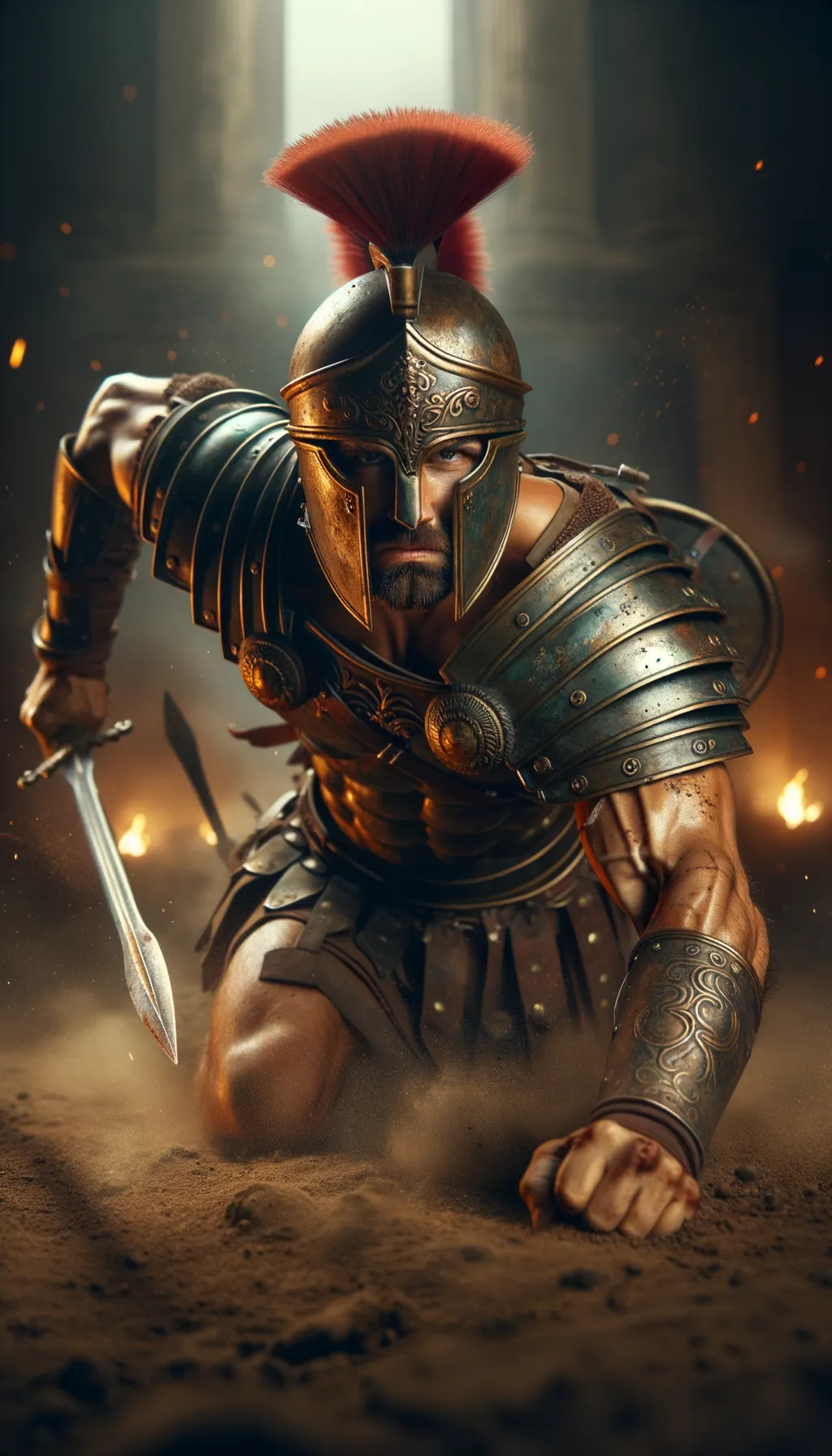
His image is often terrifying, with a large, fierce face, a thick beard, and intense eyes. This fearsome appearance is seen as a reflection of his ability to frighten and control evil spirits. Despite his appearance, he is actually a protector, who watches over human safety and ensures that evil spirits do not cause trouble.
His presence is particularly prominent during the Hungry Ghost Festival and Chinese New Year celebrations. In many Chinese homes, even today, depictions of Zhong Kui can be found as protective amulets.
The story of Zhong Kui: from scholar to king of ghosts
Although he is now known as the King of Ghosts, Zhong Kui did not always hold this supernatural role. According to legend, in life he was a brilliant scholar who devoted years of study in an attempt to pass the prestigious imperial examination. However, despite passing with honors, his unpleasant physical appearance led to him being disqualified and humiliated.
Desperate and disgraced, he took his own life on the steps of the imperial palace. After his death, Emperor Tang had a dream in which Zhong Kui visited him and swore vengeance against the ghosts and evil spirits that tormented the world of the living. Since then, Zhong Kui has kept his promise, devoting his post-mortem existence to hunting and controlling ghosts.
This story of rejection, despair, and ultimately redemption and purpose, has made him a figure of great interest and respect in Chinese culture. Despite his unfortunate end in life, his dedication and loyalty in death have secured his position as a venerated figure in Chinese mythology.
The figure of the king of ghosts, with his story of personal tragedy and supernatural dedication, is one of the most intriguing and respected in Chinese mythology. From his role as protector against evil spirits to his presence in art and culture, his influence is evident. Although his appearance may be frightening, he is a constant reminder of the importance of perseverance, honor, and protection in Chinese culture. Over the centuries, his legacy has endured, and today he remains a symbol of respect and fear, a king among ghosts, a defender of humanity.
Emperor Tang and Zhong Kui: a relationship beyond death
The story of Zhong Kui and Emperor Tang is also notable. According to legend, after Zhong Kui’s death, Emperor Tang fell seriously ill. In a dream, he saw Zhong Kui fighting and defeating a demon that had been causing his illness. When the emperor woke up, he found that his illness had disappeared.
This dream changed the emperor’s perception. Despite his appearance, Emperor Tang recognized Zhong Kui’s courage and loyalty, and named him his personal protector against evil spirits. Since then, he has been a guardian and protector of Chinese culture.
Zhong Kui’s revenge: the hunt for ghosts
As King of Ghosts, he took on the mission of hunting down and punishing evil spirits. He is said to have the power to control 80,000 demons and uses his ability to protect the world from malevolent spirits. This is how he fulfilled his promise of revenge, not only against the emperor who rejected him, but also against the underworld that ultimately took him in.
This part of the story is especially significant, as it reflects the Chinese belief in yin and yang, the duality of the forces of good and evil. Despite his tragic origin and his role in the underworld, Zhong Kui is a being who maintains balance, protecting the living from evil spirits.
Depictions through the dynasties
He is generally depicted as a fierce, ugly-looking man, often with horns and a beard. Despite these frightening features, his image is often used as an amulet to protect people from evil spirits.
During the Tang dynasty, Zhong Kui was frequently depicted in court paintings. During the Song dynasty, his image was commonly used on talismans. In the Ming dynasty, he was often depicted in ceramics and wood carvings. As time passed, the depiction of Zhong Kui evolved, but his symbolism as a protector against evil spirits remained constant.
The Hungry Ghost Festival
The Hungry Ghost Festival is a Chinese holiday in which ancestors are honored and wandering spirits are appeased. During this festival, it is believed that the gates of the underworld open and ghosts return to the world of the living. In this context, the figure of Zhong Kui takes on great importance.
As King of Ghosts, Zhong Kui is said to have the authority to control these wandering spirits and prevent them from causing harm. Images of Zhong Kui are often displayed during the Hungry Ghost Festival as a means of protecting people from evil spirits.
Zhong Kui’s presence in Chinese New Year festivities
In addition to the Hungry Ghost Festival, Zhong Kui also plays an important role in Chinese New Year celebrations. It is customary to hang images of him on house doors to protect the occupants from evil spirits and attract good luck.
This tradition originated during the Tang dynasty, when Emperor Tang, after his dream, began placing images of Zhong Kui in his palace as a protective talisman. Since then, the custom has spread, and today these images are a common feature of Chinese New Year festivities.
The symbolism of Zhong Kui: protector against evil spirits
The figure of Zhong Kui is a powerful symbol in Chinese culture. Despite his fearsome appearance, he is venerated as a protector against evil spirits, a role he took on after his death and transformation into the King of Ghosts.
His image represents courage, justice, and protection. Despite his tragic past and his role in the underworld, Zhong Kui is a guardian who keeps evil spirits at bay. His figure serves as a reminder that even in adversity, it is possible to find strength and purpose.
Film, TV, and video games
Over the years, the figure of Zhong Kui has transcended mythology and art to become part of popular culture. He is the subject of several films, television shows, and video games, which has helped keep him relevant in the modern era.
For example, in film, Zhong Kui has appeared in movies such as “Zhong Kui: Snow Girl and the Dark Crystal” and “The Demon King,” where he is portrayed as a heroic demon hunter. In video games, he appears in popular titles such as “Smite” and “Dynasty Warriors,” where players can take on his role and fight against evil spirits.
The relevance of Zhong Kui in contemporary China
Despite changes in society and culture, the figure of Zhong Kui has remained relevant in contemporary China. Even today, his image is used as a protective amulet and he is invoked during festivities to protect people from evil spirits.
In addition, his story remains relevant as a critique of superficiality and prejudice. It is a reminder that a person’s worth should not be judged by their appearance, and that justice and righteousness are qualities that should be respected and rewarded.

Subscribe
If you want to receive in your mailbox stories, curiosities and legends of the most fascinating creatures of classical mythology just fill in this form.
Continue reading
If you liked this article, you like mythology. And in this case, we have much more to offer you. Discover new adventures, heroes, nymphs, gods, battles, teachings… Just click on the button.

Bái Zé, Wisdom
Deep within Chinese mythology, lies an extraordinary creature known as Bái Zé. Although it may not be as familiar as the dragon or the phoenix, Bái Zé is equally important in the Chinese mythological pantheon. This creature, according to legend, was an unparalleled...

Houtu: the Goddess of the Earth
The rich and fascinating mythology of China is full of gods and goddesses, mythological heroes and supernatural creatures. Among these numerous figures, the goddess Houtu holds a special place. As goddess of the Earth, she is said to have the power to nurture all life...

Fushoulu: Longevity, Fortune and Wealth
Chinese history and culture are famous for their richness in mythology and symbolism. One of the most significant concepts of this tradition is Fushoulu, a triad of deities representing longevity, fortune and wealth. This principle manifests with great intensity in...

I Ching, the Book of Changes
The I Ching, also known as the Book of Changes, is one of the oldest and most respected texts in human history. This Chinese book of wisdom is a guide to life that has been consulted by millions of people seeking guidance and spiritual knowledge. This article explores...
Creation in Chinese Mythology
Mythology is a vast and rich web of legends and stories that has influenced society and culture for thousands of years. These narratives, ranging from creation in Chinese mythology to the founding of dynasties, cover a wide range of themes and provide a fascinating...

Nezha, protector of the innocent
Nezha, a prominent figure in Chinese mythology, is a deity revered and celebrated in Asian culture for his heroic deeds. This figure, who embodies rebellion, love, and protection, has remained relevant over the centuries, strongly influencing the arts, literature, and...
Fenghuang, the Chinese phoenix
The Fenghuang, also known as the Chinese phoenix, is a mythological bird that has played an important role in the country's culture for thousands of years. It represents the union of yin and yang, symbolizing virtue and grace. In addition, there is also a village...
Pangu ,the creator of the world
Pangu is a Chinese mythological figure that plays a fundamental role in Chinese cosmogony. According to legends, Pangu was the creator of the world and his birth marked the beginning of existence. He is also credited with the important task of separating heaven and...

Chinese dragons: Mythical creatures and symbols of power in Chinese culture.
Chinese dragons are legendary creatures of great significance in Chinese culture. Symbols of power and nobility, they have been revered throughout history. With their unique composition, which includes characteristics of various animals, Chinese dragons possess...

mitologiaclasica.com is a website dedicated to explore and spread the fascinating richness of mythology, offering a vast compendium of stories, characters and legends.
Explore
Greek Mythology
Roman Mythology
Norse Mythology
Egyptian Mythology
Hindu Mythology
Chinese Mythology
Japanese Mythology
Celtic Mythology
Privacy Policy
Privacy Policy
Copyright mitologiaclasica.com