What Were the Household Gods in Rome?
In Roman civilization, the household gods represented the relationship between the family and divine powers. Their presence was constant, and the rituals dedicated to them aimed to ensure protection, prosperity, and family balance.
The household altar, also called the lararium, was the sacred place where families paid tribute to these deities. The offerings were simple but significant, such as food, wine, or incense, showing the value of these gods in daily life.
Vesta, Lares, and Penates: The Main Household Gods
Among the most venerated household gods in Rome are:
- Vesta: The deity of the domestic hearth symbolized the stability and warmth of the family unit.
- Lares: Protective spirits of everything the house and its inhabitants represent.
- Penates: Deities responsible for ensuring sustenance and abundance.
Who Were the Lares and What Did They Represent?
The Lares were protective entities linked to the family and its environment. Although they were initially believed to be the spirits of dead ancestors, over time they became autonomous guardians of the household’s well-being.
Types of Lares
- Family Lares: Directly related to safeguarding the home and its residents.
- Crossroads Lares: Responsible for protecting neighborhoods and road crossings, where small altars were set up for their veneration.
- Rural Lares: Protectors of land and agricultural areas, essential for families who depended on farming.
Rituals and Depiction of the Lares
The Lares were venerated at the lararium, located inside the house. They were often depicted in tiny forms, and were given food or drink during special celebrations or as part of the daily routine. Their main goal was to ensure the protection of the home against any adversity.
What Were the Penates Gods?
The Penates were the divine beings responsible for safeguarding the pantry and the food supply in the house. Their name is derived from the Latin term penus, which translates as provisions, thus underscoring their direct relationship with prosperity in the home.
The Penates in Daily Life
In contrast to the Lares, who were responsible for general security and well-being, the Penates focused on ensuring that resources in the home never ran scarce. In the household shrine, they were placed alongside the Lares and the goddess Vesta, forming an essential trio of protection for the family.
The Public and State Penates
On a larger scale, the Penates were also venerated as safeguards of the state. In Rome, the public Penates represented the prosperity and protection of the entire city, linking domestic ceremony with the public sphere.
Lares and Penates: Pillars of Roman Life
In Rome, domestic religion represented an ideal combination of spirituality and pragmatism. The Lares provided physical and emotional protection, while the Penates guaranteed the abundance and resources essential for everyday life.
These household idols not only linked Roman families to the sacred, but also strengthened family ties and the importance of community. At the lararium, offerings and rituals became a symbolic gesture of gratitude and optimism toward the future.
Guardian Gods of Roman Mythology
In Roman mythology, faith and religion were essential elements of daily life. The guardian or titular gods were deities that protected and oversaw various areas of life and society. These gods were not only venerated in temples, but were also integrated into domestic and everyday customs. From business to warfare, there was no area of life that was not under the protection of a god or goddess.
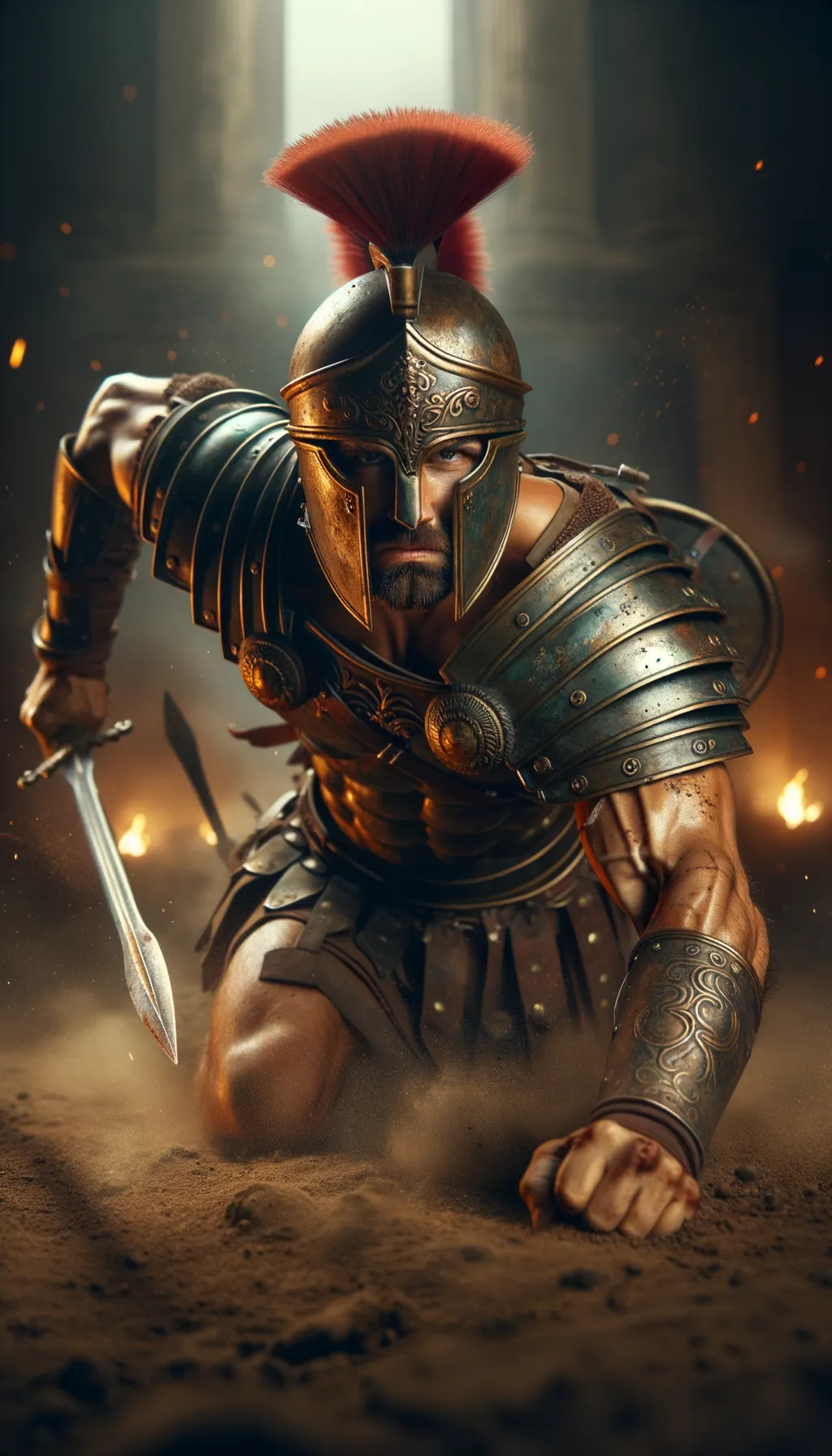
Mars: The Guardian God of Warriors
Mars, known to the Greeks as Ares, was the god of war, and as such, the protector of warriors. He was recognized as the second most important god after Jupiter. In addition to representing a god of war, Mars was also considered a protector of agriculture and livestock. The Romans believed he inspired courage and dignity on the battlefield, and that he protected soldiers from harm during war.
Minerva: Protector of the Arts and Sciences
Minerva was the goddess of wisdom, the arts and sciences, as well as strategy in war. She was thought to provide skill and talent to artists, craftsmen, and students. As guardian of knowledge and wisdom, Minerva was venerated by poets, philosophers, and scholars, who turned to her for inspiration and guidance.
Mercury: The Guardian of Travelers and Merchants
Mercury, known to the Greeks as Hermes, was the god of trade, profit, and travel. He was seen as the protector of travelers and merchants, in addition to being the messenger of the gods. Mercury was believed to grant good luck to those undertaking journeys or business transactions, and to protect travelers from risks along their way.
Vesta: The Guardian Goddess of the Home
As we mentioned earlier, Vesta, similar to the Greek goddess Hestia, was the goddess of the home and family. Vesta was thought to protect the home and family, and her sacred fire was carefully preserved in temples and homes. The Vestals, nuns consecrated to Vesta, kept the sacred fire burning in the Temple of Vesta in Rome.
Janus: The God of Doors and Beginnings
Janus, a unique god in Roman mythology, represented beginnings and endings, as well as doors and transitions between stages. He was depicted with two faces, one focused on the past and the other on the future. Janus was invoked at the start of projects and business ventures, and was thought to safeguard both entrances and exits.
Bacchus: Protector of Vineyards and Wine
Bacchus, known to the Greeks as Dionysus, was the god of wine, ecstasy, and fertility. Winegrowers venerated him and believed he safeguarded vineyards and ensured an excellent harvest. Bacchus’s celebrations, called Bacchanalia, were renowned for their abundance and joy.
Ceres: The Guardian Goddess of Agriculture
Ceres, equivalent to the Greek goddess Demeter, was the goddess of agriculture, harvests, and motherhood. Ceres was believed to protect and nourish crops, and was called upon to ensure an excellent harvest. As a sacred figure of motherhood, she was also seen as a guardian of women and children.
Neptune: The Guardian of the Seas
Neptune, known to the Greeks as Poseidon, was the god of the seas and waters. Neptune was thought to control storms and waves, and was called upon to ensure safe navigation. Neptune was also the god of fishermen, who sought his protection for an abundant catch.
Pluto: The Guardian God of the Underworld
Pluto, or Hades to the Greeks, was the god of the underworld and of the dead. Although he was feared, he was also valued as the guardian of the souls of the deceased. Ceremonies and sacrifices to Pluto were a crucial component of Rome’s funerary rites, aimed at ensuring a safe journey for the deceased into the afterlife.
Vestals: The Priestess Guardians of Vesta
The Vestals served as priestesses of Vesta, guarding the goddess’s sacred fire. From their youth, the Vestals took vows of chastity and devoted themselves to the goddess’s service. The Romans held that as long as Vesta’s fire remained lit, the city of Rome would be protected and would prosper.
The Legacy of the Roman Household Gods
Today, the Lares and Penates are remembered as emblems of devotion and the bond between human beings and their environment. Their ritual shows how the Romans considered religion an essential component of their daily life, where every facet of home and family was strongly linked to divine powers.
Although time has changed beliefs, the core of these deities persists as a reminder of the importance of protection, prosperity, and love in the home.
The figures of Roman mythology symbolized and safeguarded a variety of elements of life and society in Rome. They were considered a fundamental component of faith and daily life, and their impact can be seen in various areas of Roman culture and history. These deities underscore the intense connection between the Romans and their gods, and their faith in divine intervention in every facet of existence.