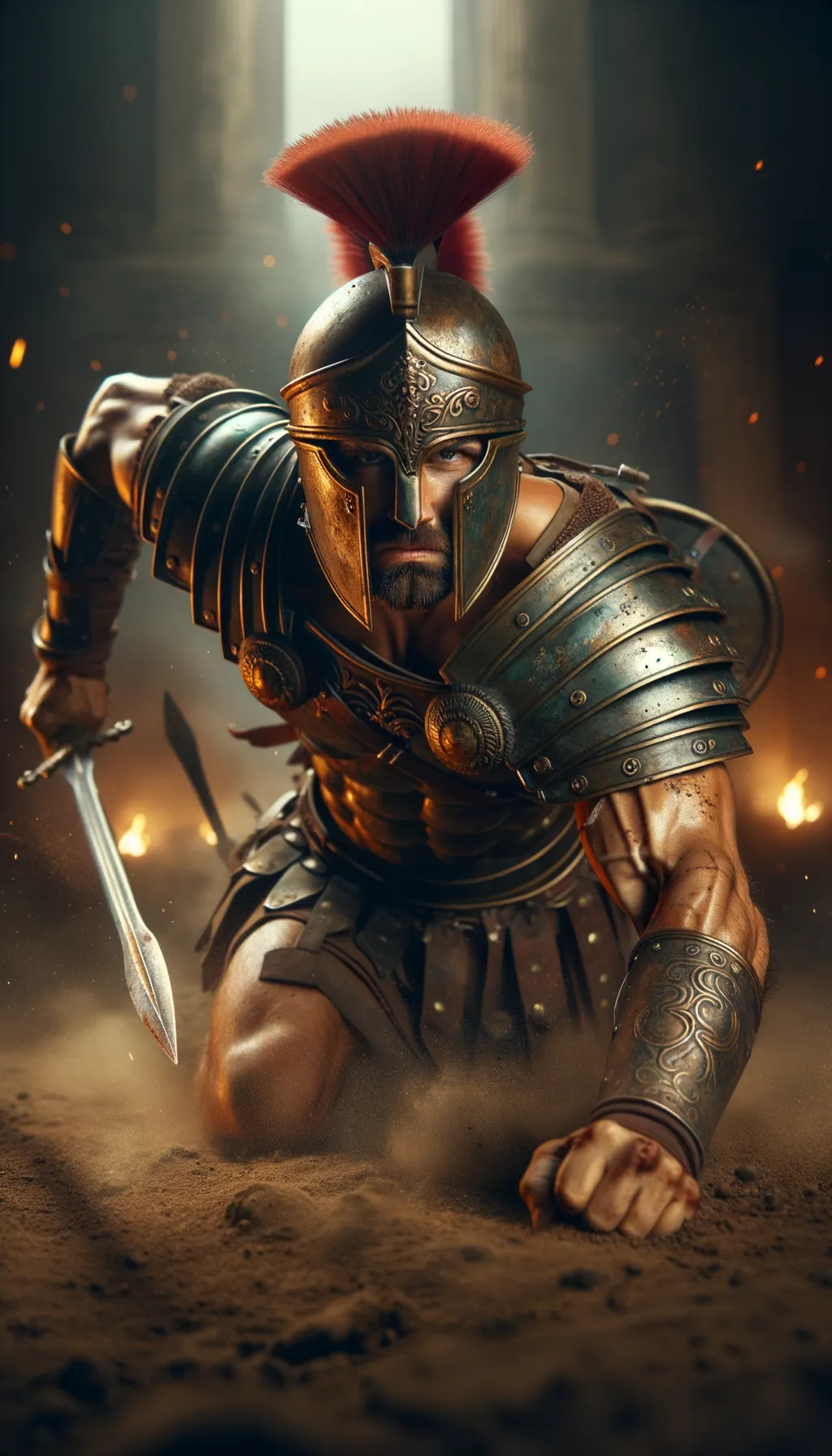
Who Is Bái Zé?
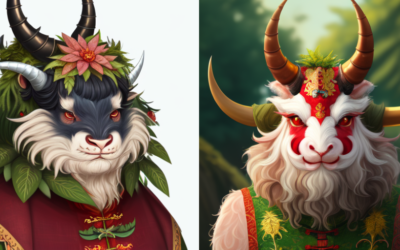
Bái Zé is a mythical creature from Chinese folklore and mythology, famous for its wisdom and its ability to teach humans about the supernatural world. According to legend, it has the form of a beast with the body of an ox and the head of a human. It is also said to have a number of heads, ranging from one to a thousand, depending on the version of the story.
This creature is known for its interaction with the Yellow Emperor, one of ancient China’s legendary monarchs. It shared with him invaluable knowledge about the existence and nature of all spirits and supernatural monsters. This knowledge, it is said, was crucial in allowing the Yellow Emperor to govern with wisdom and justice.
Its existence and its interaction with humans is considered a reflection of the ancient belief in communication between human beings and supernatural creatures. This communication is considered vital to maintaining balance in the world and preventing chaos.
The Thousand-Headed Mythical Creature
The image of Bái Zé is one of the most enigmatic in Chinese mythology. This creature is said to have a countless number of heads, each with a mouth that speaks a different language. This ability to speak multiple languages symbolizes its infinite knowledge and its ability to communicate with all creatures, human and supernatural alike.
Despite its formidable appearance, it is a benevolent creature. It is said to be neither violent nor malevolent, but rather dedicated to helping humans understand the supernatural world and maintain balance between the human world and the world of spirits.
Each head represents a different form of knowledge. This diversity of wisdom is what makes Bái Zé such a powerful and important creature in Chinese mythology. This diversity also symbolizes the Chinese belief in the importance of balance and harmony in every aspect of life.
The Legendary Encounter with the Yellow Emperor
One of the most famous stories about Bái Zé is its encounter with the Yellow Emperor. According to legend, the Yellow Emperor encountered the creature while traveling through his kingdom. Bái Zé, recognizing the emperor’s wisdom and justice, decided to share with him its knowledge of spirits and supernatural monsters.
This encounter is significant because it demonstrates the belief in interaction and communication between humans and supernatural creatures. It also reflects the belief in the importance of wisdom and knowledge in the governance and administration of a kingdom.
The encounter between the two is also symbolic of the relationship between heaven and earth in Chinese cosmology. The Yellow Emperor, as a human monarch, represents the earth, while Bái Zé, as a supernatural creature, represents heaven. This interaction symbolizes the balance and harmony between heaven and earth, which is central to Chinese cosmology.
The Sacred Text That Describes All Monsters: The Bái Zé Tu
According to the story, Bái Zé passed on its knowledge to the Yellow Emperor through a sacred text known as the Bái Zé Tu. This text, which supposedly described all supernatural spirits and monsters, was an invaluable guide for understanding the supernatural world.
This text not only listed all supernatural creatures, but also provided details about their habits, their characteristics, and how they interacted with humans. This knowledge was essential to maintaining harmony between the human world and the supernatural world.
Unfortunately, the Bái Zé Tu has been lost over time and no longer exists in its original form. However, its influence endures in Chinese mythology and culture, and it has inspired many interpretations and adaptations over the centuries.
Meaning and Symbolism in Chinese Culture
Without a doubt, Bái Zé is a symbol of wisdom and knowledge in Chinese culture. By teaching the Yellow Emperor about the supernatural world, it demonstrated the importance of education and continuous learning. This reflects the Chinese belief in constant self-improvement through the acquisition of knowledge.
Moreover, Bái Zé symbolizes harmony and balance between heaven and earth. By facilitating communication between the human world and the supernatural world, Bái Zé helped maintain order and peace in the kingdom. This is a recurring theme in Chinese culture, which values harmony and balance in every aspect of life.
Finally, it is a reminder of the existence of the supernatural world and of our relationship with it. Through its teachings, it reminds us that there is more to the world than we can see, and that it is our duty to understand and respect this hidden world.
Depiction in Chinese Art and Literature
It is clear that Bái Zé has been a source of inspiration in Chinese art and literature for centuries. Its distinctive image can be found in paintings, sculptures, and engravings, where it is often depicted as a many-headed creature with the body of an ox and a human head.
In literature, Bái Zé often appears in tales and legends, where it is depicted as a wise and benevolent creature that helps humans understand the supernatural world. It also appears in religious and philosophical texts, where it is used as a symbol of wisdom and knowledge.
Moreover, Bái Zé has been a recurring character in Chinese opera, where it is often portrayed as a wise and respected advisor. This reflects its role in Chinese mythology as a bearer of knowledge and a facilitator of communication between humans and the supernatural world.
The Connection with the Five Elements
In Chinese cosmology, it is believed that the universe is made up of five elements: wood, fire, earth, metal, and water. These elements represent not only physical forces but also spiritual and emotional ones. Bái Zé, with its wisdom and knowledge of the supernatural world, is intrinsically linked to these five elements.
Bái Zé is said to have the ability to understand and communicate with the spirits of these five elements. This ability allows it to maintain balance and harmony in the universe, and also allows it to teach humans how to interact with these natural forces.
This connection to the five elements also reflects the importance of nature in Chinese culture. The five elements represent the fundamental forces of nature, and Bái Zé, as a supernatural creature, is a reminder of our connection to and dependence on these forces.
Influence on Pop Culture
The figure of Bái Zé has left its mark on pop culture, especially in the anime and video game industries. In many of these, its figure is reinterpreted and adapted to fit various fantasy worlds. For example, in the popular game series “Shin Megami Tensei,” it is a demon with the ability to heal and purify.
Bái Zé also occupies a place in the world of manga and anime. In series such as “Hakkenden: Eight Dogs of the East,” the creature is a main character with the ability to predict the future and guide the characters through their journeys. Even in literature, the figure of Bái Zé appears as a wise and mystical character in novels such as “Journey to the West.”
The Role of Bái Zé in Traditional Chinese Medicine
Traditional Chinese medicine has its roots in ancient philosophies and spiritual beliefs, where mythical creatures like Bái Zé hold a prominent place. Given its association with wisdom and healing, the figure of Bái Zé is often used in traditional Chinese medicine as a symbol of health and longevity.
Bái Zé is said to have given Huangdi, the Yellow Emperor, a text on evil spirits and the diseases they cause, along with their cures. This text, known as the “Bái Zé Tu” or “The Illustrated Manual of Bái Zé,” is considered an essential document in traditional Chinese medicine. In addition, the image of Bái Zé is used on amulets and talismans intended to protect health and ward off disease.
The Creature Bái Zé in Popular Tales and Legends
It is no secret that Bái Zé is a recurring figure in Chinese popular tales and legends. It is often presented as a sage or teacher, who passes on its knowledge to humans to help them navigate the world. In some stories, it appears to guide heroes on their journeys, offering them advice and predicting the future.
One of the most famous tales of Bái Zé is its encounter with the Yellow Emperor. According to legend, Bái Zé appeared to the emperor during a journey and taught him about evil spirits and how to cure the diseases they cause. This encounter is often cited as the origin of traditional Chinese medicine.
Relationship with Other Mythical Creatures of China
Although it is unique in its wisdom and its ability to heal, it shares characteristics with other mythological creatures, such as its hybrid appearance and its connection to the spiritual world.
A notable example is the Qilin, another mythical Chinese creature that combines traits from different animals and is associated with wisdom and goodness. The Qilin is often presented as an omen of favorable times and a guardian against malevolent forces.
An Enduring Legacy in Chinese Mythology
Its wisdom and healing abilities have made it an icon in traditional Chinese medicine and a recurring character in literature and pop culture. With its unique appearance and profound symbolism, Bái Zé continues to captivate modern generations and keep the rich tradition of Chinese mythology alive. Its influence on Chinese culture is a testament to its importance and relevance.

Subscribe
If you want to receive stories, curiosities, and legends of the most fascinating creatures of classical mythology in your inbox, just fill out this form.
Continue reading
If you liked this article, you like mythology. And in this case, we have much more to offer you. Discover new adventures, heroes, nymphs, gods, battles, teachings… Just click on the button.

Houtu: the Goddess of the Earth
The rich and fascinating mythology of China is full of gods and goddesses, mythological heroes and supernatural creatures. Among these numerous figures, the goddess Houtu holds a special place. As goddess of the Earth, she is said to have the power to nurture all life...

Fushoulu: Longevity, Fortune and Wealth
Chinese history and culture are famous for their richness in mythology and symbolism. One of the most significant concepts of this tradition is Fushoulu, a triad of deities representing longevity, fortune and wealth. This principle manifests with great intensity in...

I Ching, the Book of Changes
The I Ching, also known as the Book of Changes, is one of the oldest and most respected texts in human history. This Chinese book of wisdom is a guide to life that has been consulted by millions of people seeking guidance and spiritual knowledge. This article explores...
Creation in Chinese Mythology
Mythology is a vast and rich web of legends and stories that has influenced society and culture for thousands of years. These narratives, ranging from creation in Chinese mythology to the founding of dynasties, cover a wide range of themes and provide a fascinating...
Zhong Kui, the king of ghosts
In the vast and intricate world of Chinese mythology, one figure stands out for its peculiar origin and unique role: Zhong Kui, the king of ghosts. Although his physical appearance can be frightening, he is considered a protector and a defender against evil spirits....

Nezha, protector of the innocent
Nezha, a prominent figure in Chinese mythology, is a deity revered and celebrated in Asian culture for his heroic deeds. This figure, who embodies rebellion, love, and protection, has remained relevant over the centuries, strongly influencing the arts, literature, and...
Fenghuang, the Chinese phoenix
The Fenghuang, also known as the Chinese phoenix, is a mythological bird that has played an important role in the country's culture for thousands of years. It represents the union of yin and yang, symbolizing virtue and grace. In addition, there is also a village...
Pangu ,the creator of the world
Pangu is a Chinese mythological figure that plays a fundamental role in Chinese cosmogony. According to legends, Pangu was the creator of the world and his birth marked the beginning of existence. He is also credited with the important task of separating heaven and...

Chinese dragons: Mythical creatures and symbols of power in Chinese culture.
Chinese dragons are legendary creatures of great significance in Chinese culture. Symbols of power and nobility, they have been revered throughout history. With their unique composition, which includes characteristics of various animals, Chinese dragons possess...

mitologiaclasica.com is a website dedicated to exploring and popularizing the fascinating richness of mythology, offering a vast compendium of stories, characters, and legends.
Explore
Greek Mythology
Roman Mythology
Norse Mythology
Egyptian Mythology
Hindu Mythology
Chinese Mythology
Japanese Mythology
Celtic Mythology
Privacy Policy
Privacy Policy
Copyright mitologiaclasica.com