In the vast and fascinating pantheon of Egyptian mythology, the Uraeus serpent holds a special place. More than a mythological creature, the Uraeus is a powerful symbol of protection, authority, and divinity. This article will explore the history and symbolism of the Uraeus serpent, its connection to the pharaohs and gods of ancient Egypt, and its presence in modern Egyptian culture and art.
Who Was the Uraeus Serpent in Egyptian Mythology?
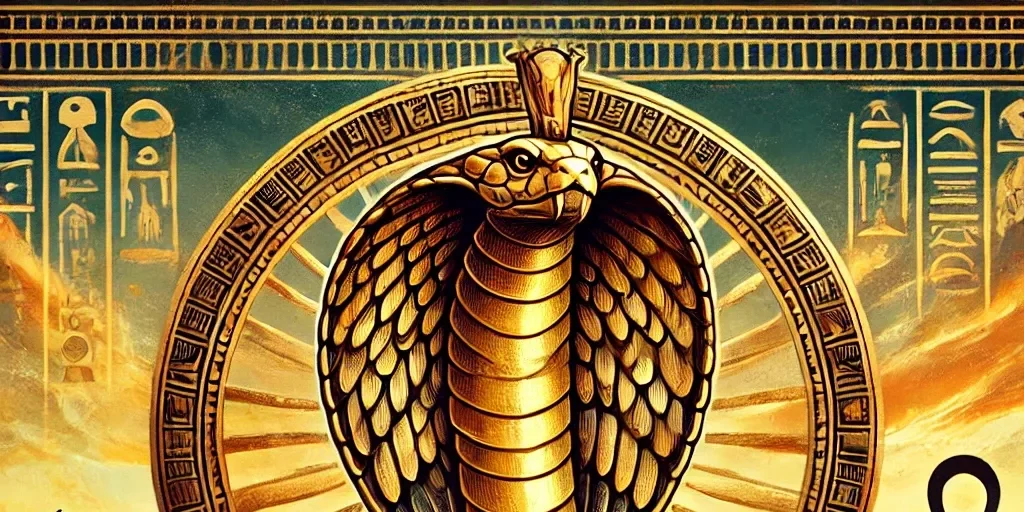
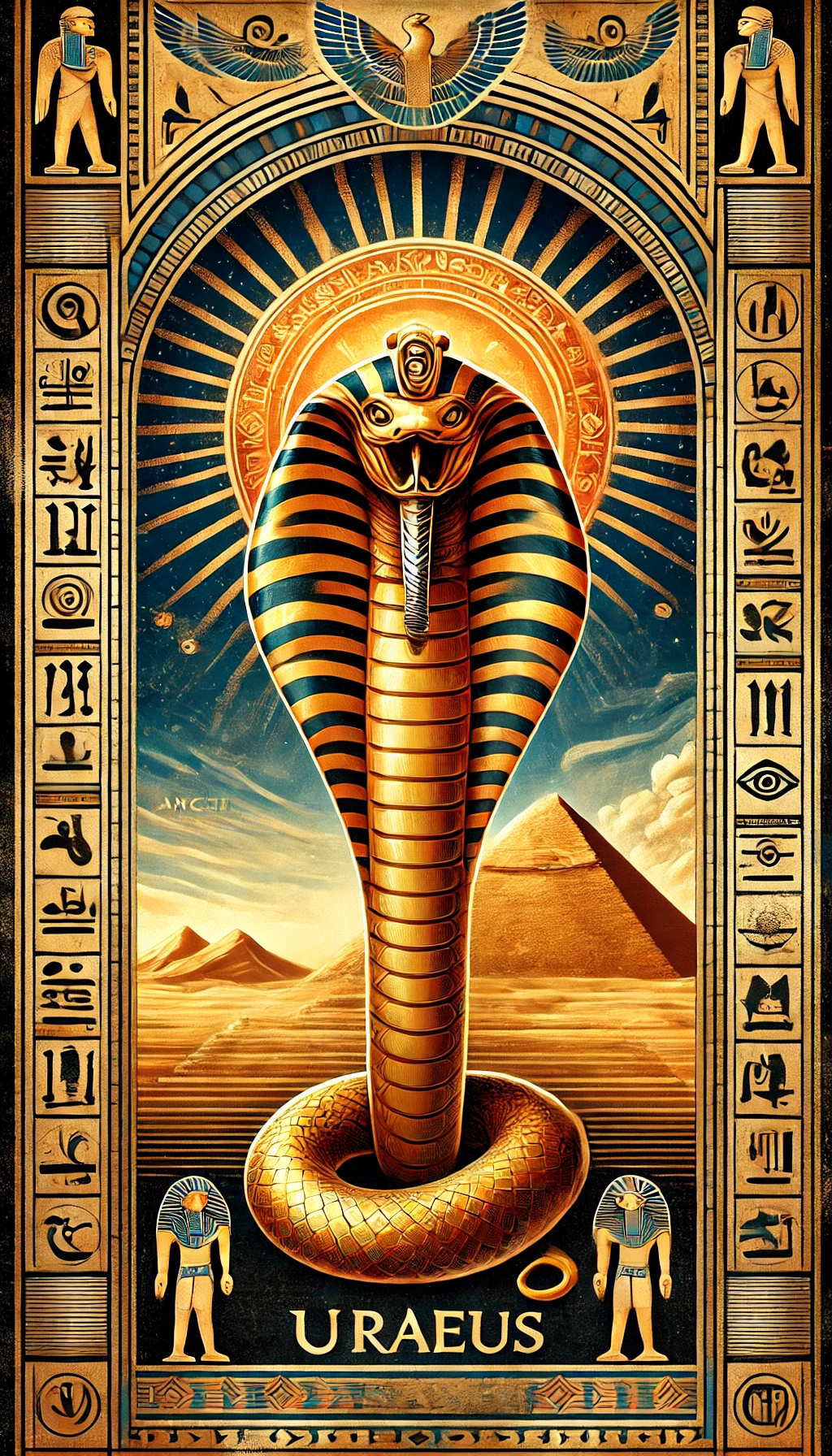
The Uraeus is a cobra shown rearing up, ready to strike. In ancient Egypt, this mythical serpent was believed to have the power to protect pharaohs and gods, and it also symbolized sovereignty. The Uraeus is one of the most recognizable images in Egyptian mythology, and is frequently seen adorning the front of pharaohs’ crowns.
The Powerful Symbolism of the Uraeus Serpent
The Uraeus represents both protection and authority in Egyptian mythology. As a serpent, it was seen as a fierce guardian, capable of striking anyone who threatened the pharaoh or the gods. However, it was also a symbol of the pharaoh’s divine authority, demonstrating that the ruler had the favor and protection of the gods.
The Uraeus Serpent: Protector of the Pharaohs
The Uraeus was commonly seen on the front of pharaohs’ crowns, a placement that demonstrated its role as protector of the ruler. It was believed that the serpent would strike with its deadly venom anyone who threatened the pharaoh. In addition, the serpent was seen as an emblem of the connection between the pharaoh and the gods, demonstrating that the ruler had divine approval.
The Uraeus in Ancient Egypt: Meaning and Use
In ancient Egypt, the image of the Uraeus serpent was used in a variety of contexts. In addition to adorning the crowns of pharaohs, the serpent also appeared on jewelry, amulets, and artifacts. The Uraeus was seen as a powerful symbol of protection, and its image was often used to protect its wearer from harm.
The Uraeus’s Connection to the Goddess Wadjet
The Uraeus serpent is closely linked to the goddess Wadjet, the cobra goddess of ancient Egypt. Wadjet was the protective goddess of Lower Egypt, and the Uraeus was believed to be an embodiment of this deity. The serpent, therefore, was not only a symbol of protection and authority, but also a direct link to the gods.
The Uraeus and the Crown of Upper and Lower Egypt
The image of the Uraeus serpent was also closely linked to the crown of Upper and Lower Egypt. The combined crown, known as the pschent, was often depicted with a Uraeus on the front, symbolizing the unification of the two regions under the pharaoh’s rule.
Jewelry and Artifacts of Ancient Egypt
The image of the Uraeus serpent was a common feature in the jewelry and artifacts of ancient Egypt. The serpent was often used on necklaces, bracelets, and rings, as well as on statues and reliefs. These objects were often used as protective amulets, as the image of the Uraeus was believed to protect its wearer from any evil.
Its Influence on Modern Egyptian Culture
Today, the image of the Uraeus serpent remains an important symbol in Egyptian culture. The serpent is often used in jewelry and art, and can also be seen in modern Egyptian iconography. In addition, the Uraeus continues to play a role in Egypt’s mythology and religious beliefs.
More Than a Serpent, a Symbol of Sovereignty
The Uraeus serpent is more than a simple mythological creature; it is a symbol of sovereignty and divine power. As protector of the pharaohs and an embodiment of the goddess Wadjet, the Uraeus represents the pharaoh’s divine authority and the protection of the gods.
Modern Interpretations of the Uraeus Serpent
Modern interpretations of the Uraeus serpent often focus on its role as protector. In popular culture, the Uraeus is often depicted as a fierce, powerful serpent, ready to strike anyone who threatens the one it protects. However, the serpent is also considered a symbol of wisdom and knowledge, reflecting its link to the goddess Wadjet.
Literature and Film
The Uraeus serpent has appeared in a variety of media, including literature and film. In these depictions, the serpent is often presented as a fierce guardian or a symbol of power and authority. However, more symbolic and metaphysical interpretations of the Uraeus have also been presented.
Uraeus: A Lasting Icon of Egyptian History
Even thousands of years after the fall of ancient Egypt, the Uraeus serpent remains a powerful and recognizable icon of Egyptian history. The image of the serpent on a pharaoh’s brow is one of the most iconic images of ancient Egypt, and it remains a potent symbol of protection, authority, and divinity.
Thus, the Uraeus serpent is a fascinating example of how mythology can endure through the centuries, influencing the culture and beliefs of future generations. From its role in Egyptian mythology to its use in modern art and jewelry, the Uraeus remains a potent and relevant symbol. As protector of the pharaohs and embodiment of the goddess Wadjet, the Uraeus is a reminder of Egypt’s rich and complex history, and of its lasting influence on world culture and history.
Subscribe
If you want to receive stories, curiosities, and legends of the most fascinating creatures of classical mythology in your inbox, just fill out this form.
Continue reading
If you liked this article, you like mythology. And in this case, we have much more to offer you. Discover new adventures, heroes, nymphs, gods, battles, teachings… Just click on the button.

The Valley of the Kings: the mystery of pharaonic tombs in ancient Thebes
The Valley of the Kings, located in ancient Egypt, houses the tombs of numerous pharaohs of the New Empire. There are also tombs of queens and privileged nobles. This site, declared a World Heritage Site by Unesco, is part of ancient Thebes. The geography of the...

Osiris, the Egyptian god of death and rebirth
Osiris, the most important god in Egyptian mythology, was noted for his role in the invention of agriculture and religion. He was also known for his association with fertility and death and resurrection. The city of Abydos became the center of the cult of Osiris,...

mitologiaclasica.com is a website dedicated to exploring and popularizing the fascinating richness of mythology, offering a vast compendium of stories, characters, and legends.
Explore
Greek Mythology
Roman Mythology
Norse Mythology
Egyptian Mythology
Hindu Mythology
Chinese Mythology
Japanese Mythology
Celtic Mythology
Privacy Policy
Privacy Policy
Copyright mitologiaclasica.com